Daijiworld Media Network - Washington
Washington, Mar 23: Facing mounting pressure over the ongoing conflict with Iran, US President Donald Trump is drawing criticism for what opponents describe as an erratic and increasingly aggressive strategy, particularly over the crisis in the Strait of Hormuz.
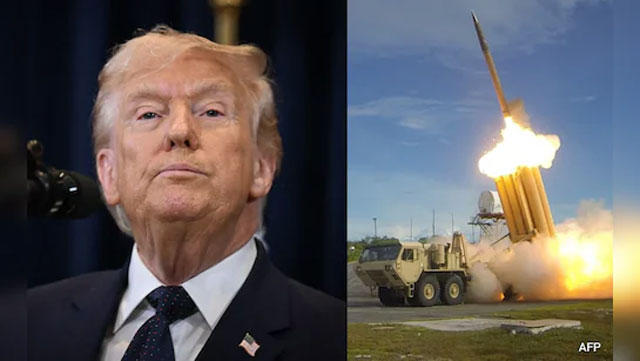
Trump has shifted rapidly between diplomatic outreach, easing sanctions, and issuing stark military threats, including a recent ultimatum warning that the United States would “obliterate” Iran’s power plants if the strait is not reopened within 48 hours.
The approach has triggered sharp reactions from political leaders and experts. Senator Ed Markey termed the threat a potential “war crime,” while Senator Chris Murphy said the president appeared to be “panicking” amid the escalating conflict.
Over the past week, Trump has explored multiple options to secure the crucial waterway, which is vital for global oil and gas transport. His proposals ranged from forming an international naval coalition — which reportedly failed to gain support — to suggesting that other countries take over responsibility, before later claiming the situation might resolve on its own.
In a bid to ease soaring fuel prices, the US administration also lifted sanctions on some Iranian oil exports, a move aimed at increasing global supply. However, its impact remains uncertain.
Trump’s latest threat marks a significant escalation, targeting civilian energy infrastructure such as power plants. Legal experts, including Geoffrey Corn, warned that such strikes could violate international law if civilian harm outweighs military advantage.
Iran has strongly reacted, with its representatives warning at the United Nations that attacks on power infrastructure would be indiscriminate and constitute a war crime. Tehran has also cautioned that any such strike would prompt retaliation against US and Israeli assets and could lead to a complete shutdown of the Strait of Hormuz.
Meanwhile, US officials have defended the stance. Ambassador Mike Waltz argued that Iran’s infrastructure is closely linked to its military operations, while NATO Secretary-General Mark Rutte called for coordinated global efforts to ensure safe passage through the strait.
Israeli envoy Yechiel Leiter, however, urged caution, warning that large-scale destruction could hinder future rebuilding efforts in Iran.
With oil prices rising and geopolitical tensions intensifying, the situation has raised global concerns over a prolonged conflict and its wider economic and humanitarian impact.