Daijiworld Media Network - Panaji
Panaji, May 31: The Union Ministry of Road Transport and Highways has directed all States and Union Territories to ensure that electronic traffic challans are issued only through approved enforcement devices, amid concerns over the use of personal mobile phones by traffic personnel for recording violations and generating fines.
In a communication dated May 25, 2026, sent to Chief Secretaries across the country, the Ministry said it had come to its notice that e-challans were being issued in certain cases using personal mobile phones. It stressed that enforcement action must be carried out strictly through certified electronic enforcement devices as prescribed under the law.
The advisory assumes significance in Goa, where the state's traffic enforcement practices recently came under scrutiny after police acknowledged that personnel had been routinely using personal mobile phones to photograph traffic violations.
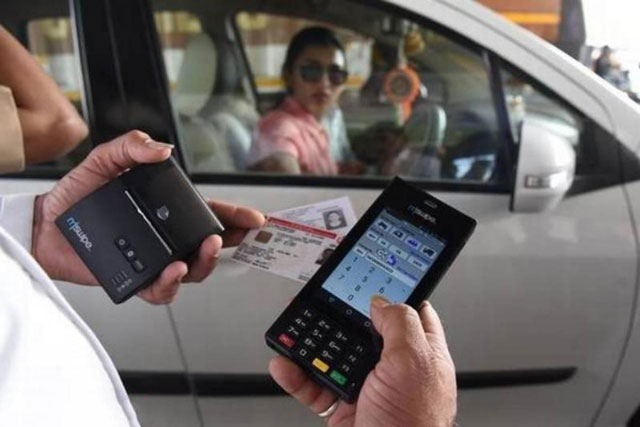
The disclosure had raised questions regarding the legality of challans issued through devices that do not fall under the categories of recognised enforcement equipment specified under the Central Motor Vehicles Rules (CMVR), 1989.
Referring to Rule 167A of the CMVR, which governs electronic monitoring and enforcement of road safety regulations, the Ministry reiterated the list of approved electronic enforcement devices.
According to the rules, approved devices include speed cameras, closed-circuit television (CCTV) cameras, speed guns, body-worn cameras, dashboard cameras, Automatic Number Plate Recognition (ANPR) systems, weigh-in-motion (WIM) devices and other technologies specifically notified by the respective state governments.
The Ministry noted that personal mobile phones do not feature in the list of approved enforcement devices under the existing rules.
It further clarified that body-worn cameras and dashboard cameras may be used only in specified circumstances and in accordance with safeguards laid down under the regulations.
The advisory stated that when a body-worn camera is used by a police officer, transport department official or any other officer authorised by the state government, the individual concerned must inform the offender that the interaction is being recorded.
The Ministry's directive is expected to prompt states and union territories to review their traffic enforcement mechanisms and ensure compliance with the prescribed legal framework for issuing electronic challans.