Daijiworld Media Network – New York
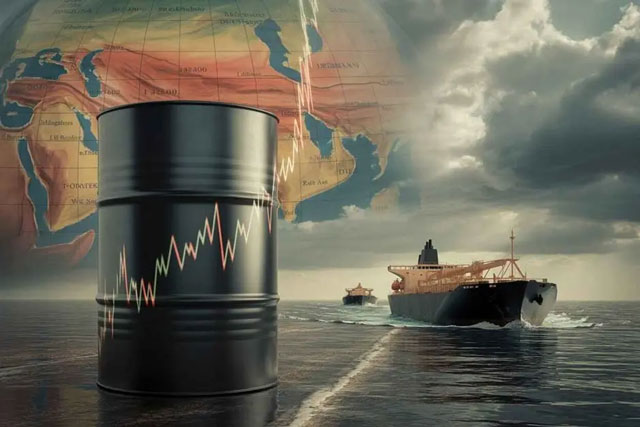
New York, Jun 8: Crude oil prices surged by more than 3 per cent on Monday as escalating tensions in the Middle East raised concerns over global energy supplies and dimmed hopes of a resolution to the broader conflict involving Israel, Iran and Lebanon.
US crude futures climbed 4.26 per cent to $94.40 per barrel, while Brent crude futures gained 3.82 per cent to reach $96.65 per barrel as investors reacted to renewed geopolitical uncertainty.
Market sentiment deteriorated after Israel launched fresh strikes on Lebanon despite a ceasefire agreement between the two countries. The escalation reduced expectations of a potential US-Iran understanding and the resumption of normal shipping through the Strait of Hormuz, one of the world's most important oil transit corridors.
Reports indicated that Iran had linked a lasting ceasefire in Lebanon to progress in diplomatic engagement with the United States. The situation worsened after Tehran responded to Israeli strikes in Beirut with missile attacks on Israel, citing support for its ally, Hezbollah.
US President Donald Trump said he would urge Israeli Prime Minister Benjamin Netanyahu to avoid retaliatory action against Iran, amid fears that further escalation could disrupt global oil supplies.
Israel and Lebanon had agreed to a ceasefire on June 3 following negotiations in Washington. However, sporadic hostilities have continued despite the truce, raising doubts about its durability.
Although the United States and Israel suspended direct attacks on Iran in early April, Tehran has continued to restrict a significant portion of shipping activity through the Strait of Hormuz, contributing to uncertainty in global energy markets.
Meanwhile, the OPEC agreed to increase oil production quotas by 188,000 barrels per day in July. However, the announcement failed to offset market concerns over potential supply disruptions stemming from the ongoing regional conflict.
Analysts said oil markets remain highly sensitive to developments in the Middle East, with any further escalation likely to increase volatility and place additional pressure on global energy prices.