Daijiworld Media Network - Chennai
Chennai, Jun 16: K. Annamalai on Tuesday criticised the extensive security arrangements planned for the NEET retest scheduled on June 21, arguing that the measures could unintentionally heighten stress and anxiety among students instead of restoring confidence in the examination system.
In a post on social media, Annamalai said the Union government had introduced an unprecedented security framework following concerns over examination integrity and repeated incidents of paper leaks.
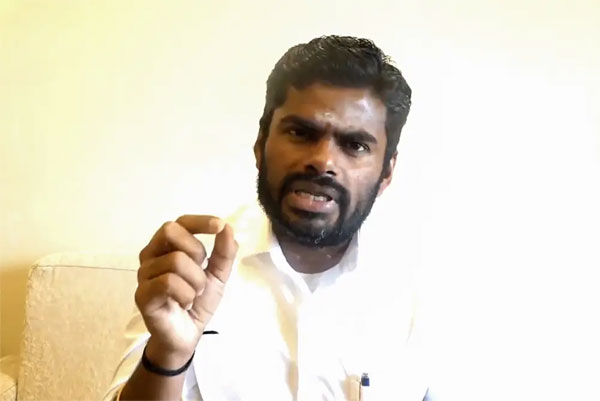
While acknowledging the need for stronger safeguards, he questioned whether the scale of the security measures was appropriate for a national entrance examination.
According to Annamalai, the proposed arrangements include a two-tier security escort involving the Central Reserve Police Force (CRPF) and the Central Industrial Security Force (CISF), transportation of examination materials with support from the Indian Air Force, four-layer AI-enabled CCTV surveillance, biometric and facial recognition verification systems, multi-stage frisking procedures and direct monitoring from the Prime Minister’s Office.
“Yes, you read that right,” Annamalai said, expressing surprise over the extensive protocols and noting that such measures are usually associated with highly sensitive operations rather than academic examinations.
The former BJP Tamil Nadu chief said that although the government's intention to prevent malpractice and ensure transparency was understandable, it appeared to have overlooked the psychological impact these arrangements could have on students.
He pointed out that candidates would be subjected to multiple levels of scrutiny before entering examination centres, which could further increase pressure on aspirants already dealing with the stress associated with one of the country's most competitive entrance tests.
Annamalai also objected to the decision to extend the examination duration from 180 minutes to 195 minutes, arguing that the additional time, coupled with stricter entry procedures, could place an extra burden on students who had spent months preparing for the examination.
Referring to the National Education Policy 2020, he said the approach appeared inconsistent with the policy's objective of reducing examination-related stress and creating a more student-friendly academic environment.
He further highlighted complaints from candidates who reportedly faced difficulties downloading admit cards and accessing examination-related information.
According to Annamalai, instead of addressing existing concerns, the current framework risks creating fresh challenges for students.
Emphasising the need for a balanced strategy, he said authorities must ensure the integrity and credibility of the examination process while simultaneously protecting the mental well-being of candidates appearing for the test.