Daijiworld Media Network – Jerusalem
Jerusalem, Jun 18: Israeli Prime Minister Benjamin Netanyahu is facing growing political pressure after the United States and Iran signed a memorandum of understanding (MoU) aimed at easing regional tensions, with reports suggesting Israel was largely excluded from the final stages of the negotiations.
The agreement, signed by US President Donald Trump and Iranian President Masoud Pezeshkian, is intended to reduce hostilities across the region and includes provisions linked to the conflict involving Lebanon and the Iran-backed Hezbollah movement.
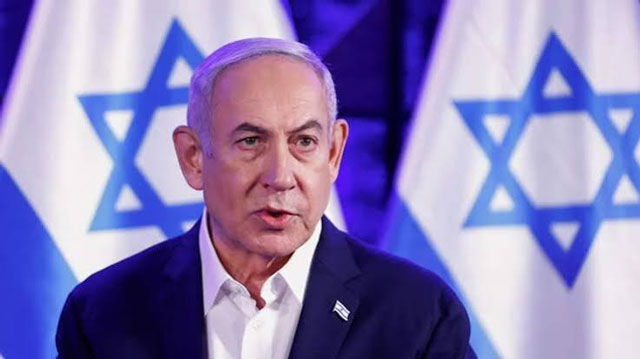
According to reports, the deal has sparked criticism within Israel, where opposition leaders and some members of Netanyahu's own political camp view the development as a diplomatic setback. Analysts say the agreement undermines Netanyahu's long-standing position that sustained pressure on Iran is essential for Israel's security.
Israeli officials were reportedly caught off guard by the announcement, with some claiming they were neither consulted nor provided details of the agreement before it was unveiled. The development has fuelled tensions between Netanyahu and Trump, whose relationship has shown signs of strain in recent weeks over differing approaches towards Iran and regional conflicts.
The Lebanon component of the agreement has emerged as a particularly sensitive issue. While some reports suggest the deal calls for an end to military operations linked to Lebanon, Israeli leaders have maintained that the country's security interests will continue to guide its actions. Netanyahu has previously stated that Israeli forces would remain in strategic security zones despite diplomatic developments.
Political observers note that the timing of the agreement could prove challenging for Netanyahu, who is already facing scrutiny over the handling of regional conflicts and security issues ahead of upcoming elections. Recent opinion polls have indicated growing public dissatisfaction with his government.
Despite the criticism, Netanyahu has defended Israel's military strategy and insisted that the country retains the right to act against threats posed by Iran and its regional allies.
The US-Iran agreement is expected to remain a major point of debate within Israeli politics in the coming weeks as questions persist over its implications for regional security and Israel's future role in Middle East diplomacy.