Daijiworld Media Network - California
California, Jul 1: California has introduced a new food labelling law aimed at reducing confusion among consumers and cutting down food waste caused by misunderstanding expiry dates.
The new rules, which came into effect on Wednesday, ban the use of “sell by” labels on food packaging. Experts say the label was meant for retailers to manage shelf display periods and was never an indicator of whether food was safe to consume.
Under the revised system, food manufacturers selling products in California must use standardised labels — “Best if Used By” for indicating peak quality and “Use By” for food safety.
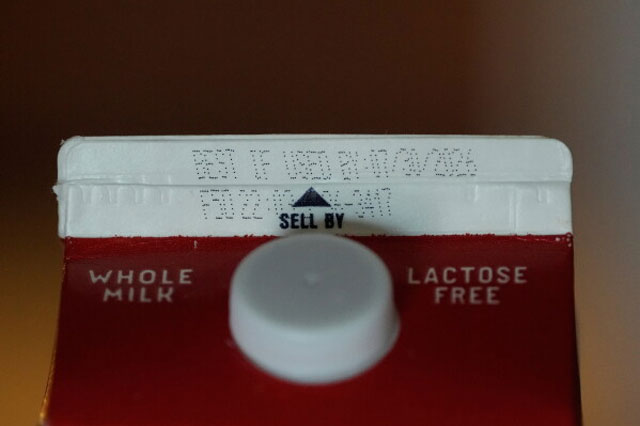
Manufacturers can choose to use either label or both, according to Democratic Assemblymember Jacqui Irwin, who introduced the legislation.
California became the first US state to standardise food labels after approving the law in 2024, with the aim of reducing food waste and lowering climate-related emissions. New York lawmakers have also approved a similar measure, which is awaiting approval from Governor Kathy Hochul.
Experts say unclear food labels have contributed significantly to household waste, as many consumers throw away products believing they are unsafe after the printed date passes.
“There are more than 50 different date labels on packaged food sold in stores,” according to a 2022 University of Maryland report, which noted that most date labels are not linked to food safety.
Nick Lapis, director of advocacy at Californians Against Waste, said standardising labels could help reduce unnecessary food disposal, especially as food banks often receive usable products rejected due to outdated “sell by” dates.
Consumer confusion over date labels contributes to nearly 20% of the nation’s food waste, according to the US Food and Drug Administration. In California alone, around six million tons of unexpired food are reportedly discarded every year.
Nate Rose of the California Grocers Association said retailers have had to update their labelling systems but supported the change, saying the new approach would help reduce waste while making decisions easier for consumers.
However, old labels may continue to appear in stores for several months as retailers sell existing stock with previous packaging.