Daijiworld Media Network – Washington
Washington, Jul 30: Black Americans are facing their most difficult social, economic and political environment since the Civil Rights Movement, according to the National Urban League's annual State of Black America report, which was released on Thursday.
The report claims that policy changes under US President Donald Trump's administration have widened challenges for Black communities and reversed progress achieved through decades of civil rights advocacy. It further argues that the issues affecting Black Americans are likely to have wider implications for working-class and middle-class Americans across the country.
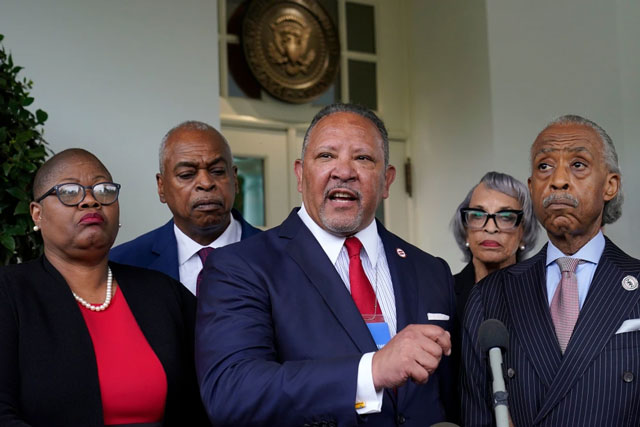
Marc Morial, president and CEO of the National Urban League, said the challenges highlighted in the report extend beyond race and could impact the broader American population.
The report alleges that recent changes to the US Justice Department's Civil Rights Division, the Equal Employment Opportunity Commission and proposed voting reforms have weakened long-standing civil rights protections. It calls on civil rights organisations to strengthen legal action and build independent economic institutions that are not dependent on changing political administrations.
Contributors to this year's report include several US lawmakers and public officials, including Senators Angela Alsobrooks, Lisa Blunt Rochester and Raphael Warnock, Maryland Governor Wes Moore and Baltimore Mayor Brandon Scott.
Governor Wes Moore, considered a potential contender in the 2028 US presidential race, contributed an essay emphasising the need to bridge the racial wealth gap. He described economic equality as a matter of moral responsibility while stressing that governments, businesses and civil society must work together to address the issue.
The report also criticises efforts to scale back diversity, equity and inclusion (DEI) initiatives, accusing the current administration of undermining programmes aimed at promoting economic opportunities for Black Americans. It notes that while some companies have reduced or withdrawn diversity initiatives, others continue to support inclusion efforts.
In contrast, the report praises the previous administration for introducing measures such as COVID-19 economic relief, infrastructure investments and support for minority-owned businesses, describing them as among the most significant federal initiatives benefiting Black Americans in recent decades.
The National Urban League acknowledged that Black Americans have overcome periods of severe discrimination in the past but warned that the current political climate presents fresh challenges to civil rights and economic progress.
First published in 1976, the State of Black America report marks its 50th edition this year and continues to examine disparities in economic opportunity, education, housing and public policy while offering recommendations aimed at advancing racial equality in the United States.