Daijiworld Media Network – Quetta
Quetta, Jul 31: At least 32 miners were killed and 10 others remained trapped after a powerful explosion tore through a coal mine in Pakistan's southwestern Balochistan province on Thursday.
Rescue teams continued operations deep inside the mine on the outskirts of Quetta, the provincial capital, amid fears that the death toll could rise further. Officials said the blast was believed to have been triggered by a buildup of methane gas, a common but highly dangerous hazard in underground coal mining.
Emergency personnel initially recovered seven bodies before locating 25 more during the ongoing rescue operation, taking the confirmed death toll to 32. Authorities said efforts would continue until all trapped miners were accounted for.
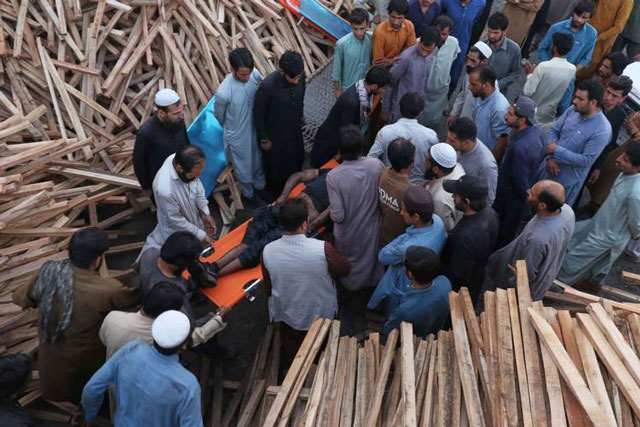
However, officials admitted that hopes of finding survivors were fading. Government mine inspector Ghani Baloch said methane explosions rapidly deplete oxygen inside mines, making survival unlikely and rescue operations extremely hazardous.
"The chances of finding anyone alive diminish after methane gas explosions because oxygen levels drop to zero, and rescuers are also proceeding cautiously inside the mine," he said.
The bodies recovered from the mine are being handed over to the victims' families for burial, while anxious relatives of those still trapped continue to wait for updates from rescue teams.
Balochistan Minister for Mines and Minerals Shoaib Nosherwani expressed condolences to the bereaved families and announced compensation of 500,000 Pakistani rupees (around USD 1,800) for the family of each deceased miner.
He said the government had ordered a detailed investigation into the incident and would review existing mine safety protocols to identify lapses and strengthen safety measures to prevent similar tragedies.
Meanwhile, the Pakistan Central Mines Labour Federation blamed the explosion on alleged negligence and demanded strict action against those responsible. The union urged authorities to ensure rigorous enforcement of mine safety regulations and take action against companies failing to comply with mandatory safety standards.
Coal mine accidents are frequent in Pakistan, particularly in Balochistan, where many mines have long been criticised for inadequate ventilation, poor methane monitoring systems and lack of essential safety equipment. Labour organisations have repeatedly accused mine operators of ignoring safety norms and failing to provide workers with adequate protection.
Despite the hazardous conditions and low wages, thousands of families in Balochistan depend on coal mining for their livelihood due to limited employment opportunities and widespread poverty. The latest tragedy has once again highlighted concerns over mine safety and renewed calls for stricter enforcement of occupational safety standards across Pakistan's mining sector.