Daijiworld Media Network - New Delhi
New Delhi, Aug 1: Jammu and Kashmir has witnessed two terror attacks within ten days, with security agencies suspecting the involvement of Lashkar-e-Tayiba’s proxy outfit, The Resistance Front (TRF), in both incidents.
Officials said the attacks in Anantnag and the latest one in Kulgam indicate that Lashkar-e-Tayiba is attempting to revive its old strategy of using proxy groups to target civilians while keeping its direct involvement concealed.
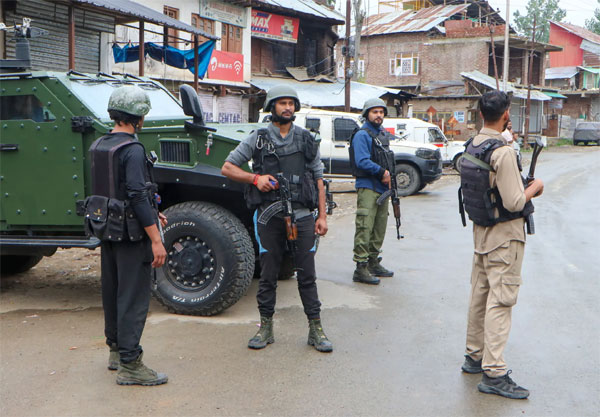
Following the Anantnag attack, a social media post claimed that the United Liberation Council was responsible. Investigators, however, dismissed the claim, saying it was an attempt by Lashkar-e-Tayiba to divert attention from its role.
Agencies are probing the involvement of a Lashkar operative identified as Latif, whose activities reportedly point towards the terror outfit’s involvement in the attacks. Latif had worked closely with Lashkar commander Zakir Ganai and was involved in strikes in Anantnag, Shopian and Kulgam, officials said.
Ganai was later killed in an operation by security forces in Kulgam, but Latif managed to escape. Intelligence officials believe Latif carried out the recent attacks to send a message that Lashkar-e-Tayiba remains active in the Valley.
Officials said Latif is maintaining a low profile to evade security agencies while planning a series of low-intensity hit-and-run attacks in South Kashmir.
Civilians, migrants among key targets
According to officials, the latest Kulgam attack reflects Lashkar-e-Tayiba’s earlier pattern of targeting non-locals to create fear and force migrant workers to leave Jammu and Kashmir.
Security agencies believe the attacks follow a pattern and are not isolated incidents. The Kulgam strike occurred two days after terror-backed channels circulated threat messages and hit lists targeting Kashmiri Pandits, minorities and migrant workers.
Officials said terror groups are avoiding heavily secured installations and Army camps due to increased security measures. Instead, they are focusing on vulnerable civilian targets to create maximum impact through low-profile attacks.
Pistols preferred for concealed strikes
Security agencies have also detected a change in the operational strategy of Lashkar-e-Tayiba. Officials said operatives have been instructed to use pistols instead of AK-47 rifles, as pistols are easier to conceal and attract less attention.
Another concern for agencies is the recruitment pattern adopted by the outfit. Officials said Lashkar has been looking for individuals without criminal backgrounds and using them for single attacks before they disappear from the radar.
This strategy, they believe, makes tracking attackers more difficult and creates confusion during investigations.
Security personnel also targeted
While civilians, particularly minorities and migrant workers, remain the primary targets, Lashkar-e-Tayiba continues to target security personnel as well.
In the Anantnag attack, the outfit killed 35-year-old Head Constable Hussain, a resident of Budgam district, while he was deployed for the Amarnath Yatra.
Officials said Lashkar has repeatedly threatened Kashmiris serving in the police and security forces, asking them to quit their jobs. Those who continue to serve have also been targeted by the terror group.
Security agencies believe the recent attacks are part of a broader attempt by Lashkar-e-Tayiba to regain influence in Kashmir, revive recruitment and sustain its presence through periodic low-intensity strikes.