Daijiworld Media Network - Kolkata
Kolkata, Aug 3: India accounts for nearly seven out of every 10 children diagnosed with leukaemia in South Asia, according to a new study published in The Lancet. Researchers attributed the high burden to the country's large population and limitations in the healthcare system's ability to diagnose and treat affected children.
The study, conducted across SAARC nations — India, Pakistan, Bangladesh, Sri Lanka, Afghanistan, Nepal, Bhutan and the Maldives — found that more than 25,000 children under the age of 15 are diagnosed with leukaemia in India every year. In West Bengal alone, an estimated 1,000 to 1,800 children develop the disease annually.
Leukaemia accounts for around 30 to 40 per cent of all childhood cancers recorded in Indian cancer registries. Of these, Acute Lymphoblastic Leukaemia (ALL) constitutes nearly 70 to 75 per cent of all childhood leukaemia cases in the country.
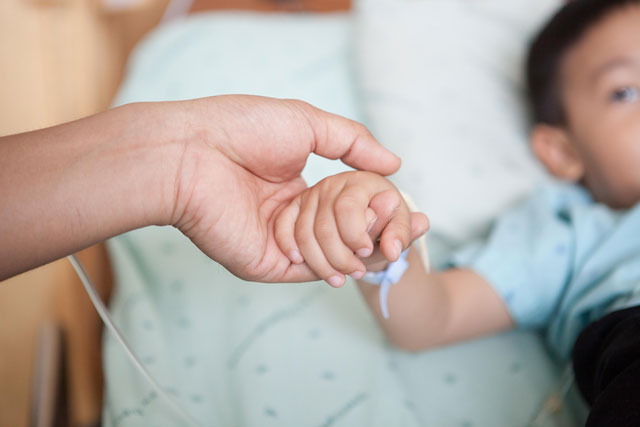
Based on population estimates, West Bengal, which accounts for around 7 per cent of India's population, records between 1,000 and 1,800 new childhood leukaemia cases annually. Hospital registries, including those of Chittaranjan National Cancer Institute and NRS Medical College in Kolkata, indicate that acute leukaemia accounts for nearly 39 per cent of all paediatric cancers in the state.
"Incidence of leukaemia is much higher in Bengal and India compared to the West. Though reliable figures are not available, we get around 25,000 new cases each year. Improvements in diagnostic technology, awareness and government initiatives have helped identify and treat more children over the last 10 years," said Dr Pritam Singha Roy, consultant paediatric oncologist at Tata Medical Centre.
In India, paediatric cancer statistics mainly track annual new diagnoses, as nationwide prevalence data is not maintained through a central registry.
Dr Narendra Agarwal, haematologist and bone marrow transplant physician at Rajiv Gandhi Cancer Institute and Research Centre, said India's large population contributes significantly to the high incidence, while several neighbouring countries may have substantial numbers of undiagnosed and unreported cases.
"Low awareness is primarily responsible for late diagnosis. But treatment outcomes and facilities have improved vastly across the country, which should lower the mortality rate," he said.
The study noted that SAARC countries are home to nearly 600 million children aged 0-14 years, representing about one-fourth of the global child population.
In 2022, the region recorded an estimated 37,716 new childhood cancer cases and 17,698 deaths. India accounted for 25,939 cases, or 68.8 per cent of the regional total, while Pakistan reported 7,841 cases, representing 20.8 per cent.
The highest age-standardised childhood cancer incidence rates were recorded in Sri Lanka (10.4 per 100,000) and Pakistan (10.1 per 100,000), while Bhutan (2.3 per 100,000) and Bangladesh (3.7 per 100,000) reported the lowest rates.
Age-standardised mortality rates ranged from 1.1 per 100,000 in Bhutan to 5.2 per 100,000 in Afghanistan, with the overall SAARC average standing at 3.5 per 100,000.
Boys accounted for 57 per cent of all childhood cancer cases across the region. Leukaemia remained the most common childhood cancer in every SAARC country, accounting for 35 to 50 per cent of cases, followed by central nervous system (CNS) tumours, which made up around 12 per cent.
The study concluded that childhood cancer patterns in South Asia reflect both population size and disparities in healthcare capacity. It called for greater regional cooperation to strengthen cancer registries, improve equitable access to specialised treatment and ensure continuity of care for children with cancer.