Daijiworld Media Network - Washington
Washington, Aug 13: The United States is preparing to station an Arctic Security Cutter at Coast Guard Base Kodiak in Alaska as Washington expands its security presence in the strategically important polar region.
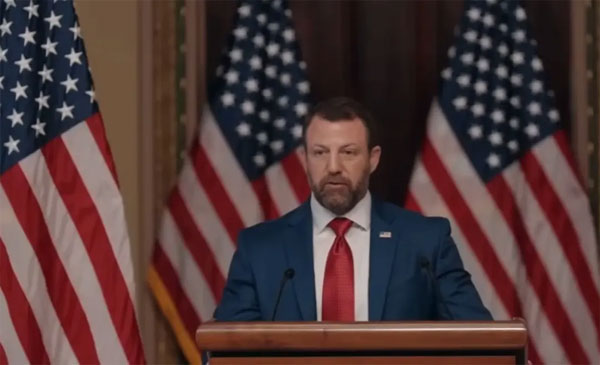
US Homeland Security Secretary Markwayne Mullin announced the plan during a visit to the base with Coast Guard Commandant Admiral Kevin Lunday and Republican Senator Dan Sullivan of Alaska.
“The Arctic is a crucial region for securing our Homeland, and soon this base will see an influx of resources, including an Arctic Security Cutter, that will further protect our interests in this region,” Mullin said.
The Department of Homeland Security did not provide a delivery date or disclose operational details about the cutter.
Base Kodiak is the largest US Coast Guard base in the world and serves as a major centre for operations across Alaska and the surrounding maritime region.
Mullin said the Trump administration had invested $25 billion in the Coast Guard, describing it as the largest single investment in the service's history.
“Under President Trump's leadership, the Coast Guard is receiving the recognition and support it has long deserved,” Mullin said. “Thanks to President Trump and his One Big Beautiful Bill, we have invested USD 25 billion into the Coast Guard — the largest single investment in its history.”
“Today, the Coast Guard is stronger than it's ever been,” he added.
During the visit, Mullin addressed around 300 Coast Guard personnel at Air Station Kodiak and recognised several personnel nominated by their supervisors for exceptional performance.
Mullin, Lunday and Sullivan also toured a pier at the base. The Homeland Security Secretary and Coast Guard commandant visited the new Nemetz housing complex for service personnel.
Mullin later took part in an aerial tour and observed a Coast Guard rescue swimmer demonstration.
The Kodiak visit formed part of a wider trip to Alaska. Earlier in the week, Mullin toured a US Customs and Border Protection cargo screening facility in Anchorage and met Transportation Security Administration personnel at Ted Stevens Anchorage International Airport.
The planned deployment comes as the United States places greater emphasis on its ability to operate in the Arctic. Coast Guard vessels carry out search-and-rescue missions, maritime security operations, environmental response and enforcement in some of the world's most challenging conditions.
Alaska gives the United States direct access to the Arctic. The region's vast distances, limited infrastructure, harsh weather and extensive coastline make sustained operations difficult and increase the importance of vessels designed for polar conditions.
The Arctic has gained strategic importance as changing ice conditions affect maritime access. The United States and other Arctic nations have sought to strengthen their ability to monitor shipping, protect territorial interests and respond to emergencies across the region.