Daijiworld Media Network - Tehran
Tehran, Aug 19: Iran on Wednesday rejected the United Arab Emirates' accusation that it fired two ballistic missiles that landed in the Persian Gulf, as tensions between the two countries continued to rise amid fears of renewed escalation in the region.
The developments came as Iranian Parliament Speaker Mohammad Bagher Qalibaf and the country's top negotiator arrived in neighbouring Iraq for a three-day visit. At the same time, France announced that it would expel two Iranian diplomats in response to the expulsion of two French diplomats from Iran earlier this week.
Iranian Foreign Ministry spokesperson Esmail Baghaei criticised the UAE over its allegation that Tehran had launched two ballistic missiles targeting maritime navigation that ultimately fell into the Persian Gulf.
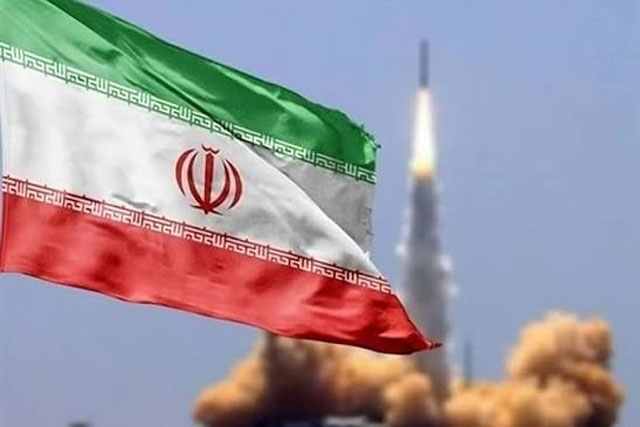
“This behavior is contrary to the principle of good neighborliness and disrupts ongoing efforts to strengthen trust between regional countries and prevent escalation in the region,” Baghaei said at his weekly news conference.
The UAE had accused Iran of launching the missiles on Tuesday. The reported incident was the first such accusation in several weeks after Iranian missiles and drones had frequently targeted the UAE following the launch of a US-Israeli war against Iran on February 28.
Following the incident, the UAE Foreign Ministry announced the suspension of trade with Iran, citing regional escalations that it said were undermining regional and international peace and security.
The latest dispute came less than a week after Abu Dhabi accused Iran of firing drones at two tankers operated by a state-owned oil company as they travelled through the Strait of Hormuz.
The deterioration in relations between Tehran and Abu Dhabi comes amid broader concerns over a renewed escalation in the region, with no immediate signs of fresh talks between Iran and the United States.
Meanwhile, Qalibaf arrived in Iraq on Wednesday for a three-day visit during which he is expected to meet Iraqi officials and leaders of an Iran-backed political coalition.
Iran-backed Iraqi militias have claimed responsibility for drone attacks targeting US bases and diplomatic facilities in Iraq and elsewhere, increasing pressure on Baghdad as it attempts to maintain relations with both Washington and Tehran.
Qalibaf on Wednesday praised the Iran-backed militias, referring to them as the “resistance in Iraq” and describing them as an important component of the country's national strength.
“After years of experience in Iraq, the resistance has gone beyond the borders of the two countries and has become an influential force at the regional and global levels,” Qalibaf said.
Iran has for years relied on allies and proxy groups across the Middle East, including Hezbollah in Lebanon and the Houthi rebels in Yemen, as part of its regional strategy amid prolonged conflicts.
In another diplomatic development, France announced that it would expel two staff members of the Iranian Embassy in Paris in retaliation for the expulsion of two French diplomatic personnel from Iran.
The French Foreign Ministry said the move was in response to an alleged assault by Iranian security forces against two French diplomatic staff members in Iran last month.
Iran has accused the two French diplomats of participating in a secret meeting with individuals it described as suspects in a major case involving foreign infiltration and interference. The two French diplomats were expelled by Iran on Monday.
French Foreign Minister Jean-Noël Barrot criticised Tehran for failing to investigate what he described as a “premeditated and deliberate attack” against French personnel.
Barrot said the two Iranian diplomats would leave France in the coming days.
“Iranian authorities chose to make entirely false accusations against French personnel and fabricate a case of foreign interference to justify their actions,” Barrot said.
The latest diplomatic expulsions add to growing tensions between Iran and Western governments as regional security concerns and disputes over Tehran's military activities continue to strain relations.