Daijiworld Media Network – Washington
Washington, Sep 3: The United States has carried out its biggest wartime escort operation in the Strait of Hormuz, guiding 40 commercial vessels carrying around 18 million barrels of oil through the strategic waterway amid a fresh exchange of strikes between Washington and Tehran.
The operation was conducted on Tuesday using US air, naval and space-based assets, CNN reported, citing American officials. US forces continued attacks on Iranian military capabilities that could threaten commercial shipping while protecting the vessels from waves of drone attacks.
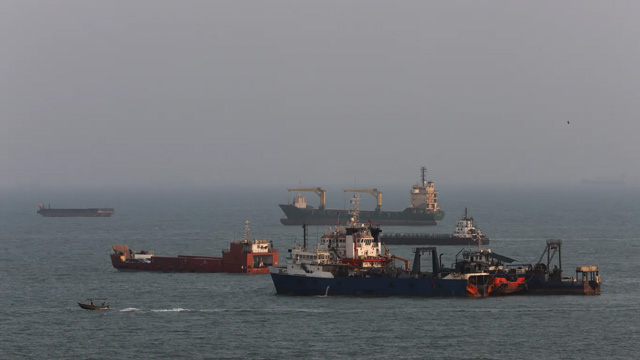
American forces also neutralised anti-ship cruise missiles during the operation, according to a US official.
The mission comes as the Donald Trump administration increasingly focuses its military strategy on the Strait of Hormuz. The US has been striking Iranian military positions around the waterway, escorting commercial vessels and maintaining a naval blockade of Iranian ports to increase economic pressure on Tehran.
Around 20 million barrels of oil were passing through the Strait of Hormuz every day before the conflict began more than six months ago, making the waterway crucial to global energy supplies.
Despite the successful escort, US officials reportedly do not expect a quick resolution to the conflict. Energy companies also remain wary of sending vessels through the strait, even under American military protection, amid continuing security concerns.
The tensions have also affected global energy markets, with oil prices remaining elevated and contributing to volatility in international financial markets.
Meanwhile, Trump has suggested that Iran's stockpile of highly enriched uranium could remain buried and be monitored through satellite imagery. The material was not completely destroyed during US strikes on three major Iranian nuclear facilities last year.
Trump's comments appeared to mark a shift from his earlier position that securing the highly enriched uranium was one of the key priorities of the conflict.
On Tuesday, US forces also struck nearly 60 military targets around the Strait of Hormuz, including air defence installations, radar systems, maritime assets, mine-laying capabilities and communications sites.
US officials said further strikes near the waterway were expected, citing Iran's ability to rebuild its military capabilities. One official compared the continuing campaign to “mowing the grass” or a game of “whack-a-mole”, suggesting that repeated attacks would be necessary to prevent Iran from restoring its ability to threaten commercial shipping.
Speaking at the Oval Office on Wednesday, Trump said the latest strikes had gone beyond Iranian radar systems and were aimed at preventing Tehran from tracking vessels travelling through the strait.
“They were trying to see the ships,” Trump said, claiming Iran could no longer monitor shipping after its radar systems were destroyed.
Trump maintained that the US remains in control of the Strait of Hormuz and can simultaneously strike Iranian military assets along the coastline while protecting commercial vessels from attacks.
The Strait of Hormuz remains one of the world's most important energy corridors, and the continuing US-Iran confrontation has raised concerns over shipping security, global oil supplies and the wider impact of the conflict on international markets.