Daijiworld Media Network – New Delhi
New Delhi, Sep 29: The human heart typically beats between 60 and 100 times per minute at rest. When the heart rate falls below 60 beats per minute, it is known as bradycardia. While a slow heartbeat can be normal in some people, particularly athletes or during sleep, it may sometimes indicate an underlying problem with the heart's electrical system.
Bradycardia is a common form of cardiac arrhythmia and can affect the heart's ability to pump sufficient blood to the body. It occurs when the electrical signals that coordinate heartbeats are generated too slowly or fail to travel through the heart effectively.
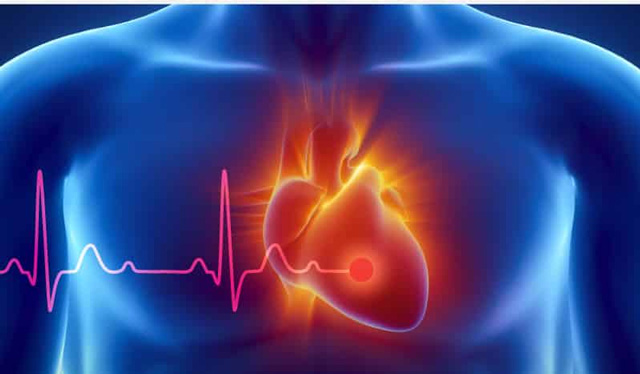
Some people with bradycardia may have no symptoms, while others may experience fatigue, dizziness, light-headedness, shortness of breath, reduced exercise tolerance or fainting. These symptoms can occur when vital organs such as the brain and muscles receive less oxygen-rich blood than they need.
One of the challenges in diagnosing bradycardia is that abnormal heart rhythms may occur intermittently. A patient may experience symptoms only occasionally, making it difficult to detect the problem during a routine clinical examination. Cardiac monitoring technologies, including insertable cardiac monitors, can track heart rhythms over extended periods and help doctors identify abnormalities when symptoms are infrequent.
Early detection can help healthcare providers determine the underlying cause and decide on appropriate treatment. Bradycardia may sometimes be associated with age-related changes in the heart's electrical pathways or other cardiovascular conditions. Ignoring persistent symptoms may delay diagnosis and treatment.
Advances in cardiac rhythm management have introduced technologies for diagnosing, treating and monitoring conditions such as bradycardia. Modern pacemakers can regulate slow heart rhythms and adjust pacing therapy according to a patient's needs. Some systems can also monitor cardiac activity, detect significant atrial rhythm abnormalities and support the heart's natural conduction pathways where appropriate.
Implantable cardiac monitors can identify intermittent rhythm disturbances, while remote monitoring platforms allow clinicians to receive device and patient data between clinic visits.
Newer pacing and rhythm management systems also offer features such as wireless connectivity, longer battery life, advanced diagnostic capabilities and MRI compatibility.
A slow heartbeat should not automatically be considered either harmless or dangerous. What matters is whether it is affecting the body's ability to function normally. Persistent symptoms such as unexplained fatigue, dizziness or fainting should be discussed with a healthcare professional. Advances in cardiac monitoring and rhythm management are helping improve the early detection and management of heart rhythm disorders.