Daijiworld Media Network - Mumbai
Mumbai, Dec 19: The Bombay High Court on Friday refused to halt the conviction of former Maharashtra minister and NCP leader Manikrao Kokate in the long-standing Nashik housing fraud case, though it granted him protection from arrest and suspended his two-year jail sentence until the final hearing of his revision plea. Kokate’s legislative future remains uncertain as the conviction still stands, leaving his membership in the Maharashtra Assembly at risk.
The controversy stems from the misappropriation of government flats in Nashik’s ‘Nirman View Apartment’ dating back to 1995. Kokate and his brother Vijay were accused of submitting forged documents to illegally acquire flats reserved for low-income individuals. Investigations revealed the brothers had also occupied additional flats allotted to others. The sessions court sentenced them to two years of rigorous imprisonment and a fine of Rs 50,000 each.
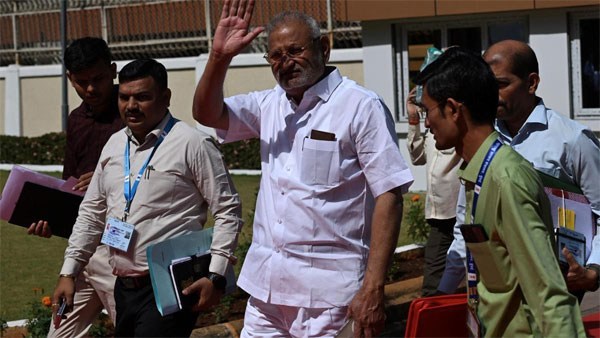
Following the sessions court ruling, Kokate resigned from his Cabinet positions, including sports and minority affairs, and underwent heart surgery on Friday. Deputy chief minister and NCP chief Ajit Pawar accepted the resignation, emphasizing the party’s commitment to constitutional morality, institutional integrity, and respect for the judiciary. Pawar stated on X that Kokate’s resignation had been forwarded to the chief minister for due consideration, reinforcing the party’s stance on upholding the rule of law.
Kokate, a five-term MLA from Sinnar constituency, has a history of shifting political loyalties and controversy. Over the years, he has faced criticism for remarks on farmers, alleged inattentiveness during legislative sessions, and jibes at coalition partners. His resignation follows a string of political turbulence within the NCP, including earlier resignations of ministers linked to criminal cases.
The High Court’s decision leaves Kokate in a legal limbo: while he avoids immediate imprisonment, the conviction remains in place, pending the final outcome of the revision petition. The case serves as a stark reminder of accountability in public office and highlights ongoing scrutiny of politicians’ conduct in Maharashtra.