Daijiworld Media Network – Mangaluru
Mangaluru, Aug 10: Intermittent showers across Dakshina Kannada are bringing with them a growing health concern, with malaria cases continuing to rise in the district and a significant number of infections being detected among workers arriving from other States for construction and other projects.
The steady influx of workers from different districts and States has made malaria control an increasing challenge for the Health Department, which has now stepped up surveillance, particularly among labourers coming from malaria-affected regions.
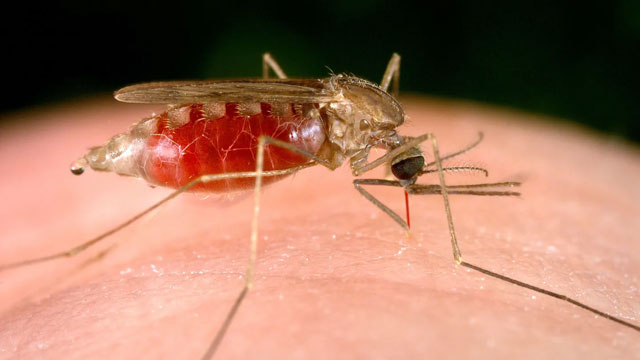
States including Bihar, Odisha and Jharkhand continue to report malaria cases. Some workers arriving in coastal Karnataka from these States are also being diagnosed with the infection, prompting the Health Department to place workers from outside the State under special surveillance.
The district has recorded a rise in malaria cases over the past two months, with 30 cases confirmed so far. Significantly, 23 of these cases involve people from outside the district or from other States. Most of the cases have been reported within Mangaluru city limits.
Mangaluru attracts people from various parts of the country for employment, education and other purposes. Health officials said some workers may already be experiencing fever symptoms when they arrive. Once infected, the parasite can be transmitted through mosquitoes, potentially leading to further spread.
In a bid to prevent such cases from becoming a wider public-health concern, the Health Department, in co-ordination with the authorities concerned, is planning awareness programmes for construction companies and other establishments. Companies are being encouraged to ensure that workers arriving from other States undergo malaria testing before joining work.
Special team keeps watch at construction sites
The district Health Department has constituted a special team to monitor workers engaged in construction activities as part of intensified malaria-control measures.
The team is visiting construction sites, screening workers and collecting blood samples for malaria testing. Awareness programmes are also being conducted among workers, including those living in vulnerable and deprived conditions, to highlight the symptoms, prevention and importance of early treatment.
Door-to-door larval surveys intensify
The recent spell of sunshine alternating with rain has created conditions favourable for mosquito breeding. The Health Department has therefore intensified larval surveys in both rural and urban areas.
Health workers are identifying potential mosquito-breeding sites, checking for larvae and advising households on precautionary measures. Whenever mosquito breeding is detected during the surveys, the information is brought to the notice of the senior health assistant for further action.
Health Department’s malaria-prevention checklist
The public has been urged to follow simple but important precautions to keep malaria at bay:
- Ensure that water does not stagnate in unused articles and waste materials around homes.
- Clean mosquito nets at least once a week.
- Fit mosquito-proof mesh on doors and windows.
- Pregnant women should take extra precautions against mosquito bites.
- Wear light-coloured clothing, as mosquitoes generally tend to stay away from lighter colours.
- Clean and mop the floors of the house every day.
- Do not dismiss even a common fever; consult the nearest doctor.
- Do not take medicines without medical advice.
Health officials urge public not to lower guard
A senior health official has urged people not to neglect their health, particularly during the monsoon, when intermittent rainfall and stagnant water can create favourable conditions for the spread of infectious diseases.
The official pointed out that the risk of mosquito-borne diseases such as dengue and malaria increases during the rainy season. With malaria cases being reported in several States, infections are also being detected among workers arriving in Dakshina Kannada for construction and other jobs.
The Health Department has consequently stepped up special surveillance of workers arriving from outside the State, while intensified testing and preventive measures are being undertaken at construction sites and in residential areas.
The official also stressed that public co-operation is crucial for controlling the spread of malaria, urging residents to take preventive measures and seek medical attention promptly if they develop fever or other symptoms.