News: Fr Franklin D'Souza
Pics: Stanly Bantwal
Davanagere, Sep 9: An extraordinary sea of faith and devotion flowed through the streets of Harihara as lacs of devotees from different parts of Karnataka and beyond gathered for the Annual Jatra Mahotsav of Our Lady of Health at the Minor Basilica of Harihar. The annual feast, popularly known as the Feast of Harihar Matha and celebrated on the Feast of the Nativity of the Blessed Virgin Mary, once again became a powerful testimony to faith that transcends caste, language, culture and religion.
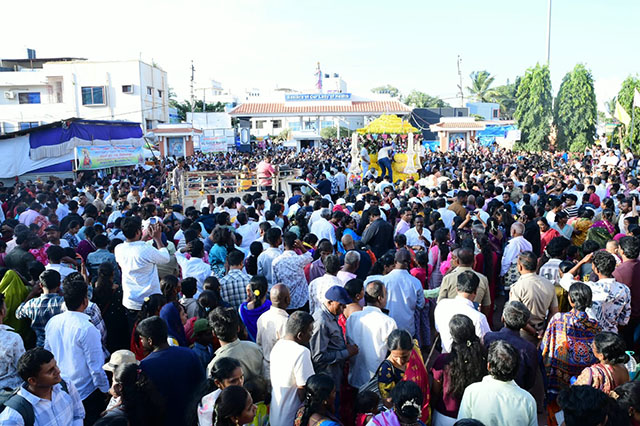
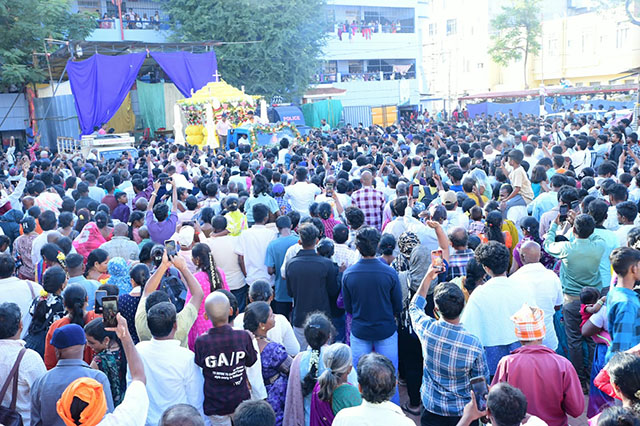
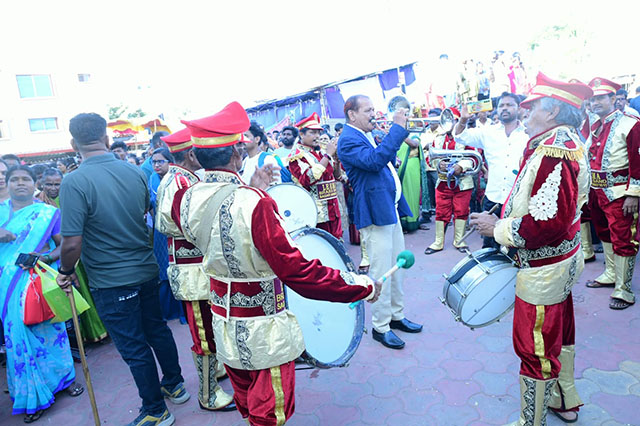
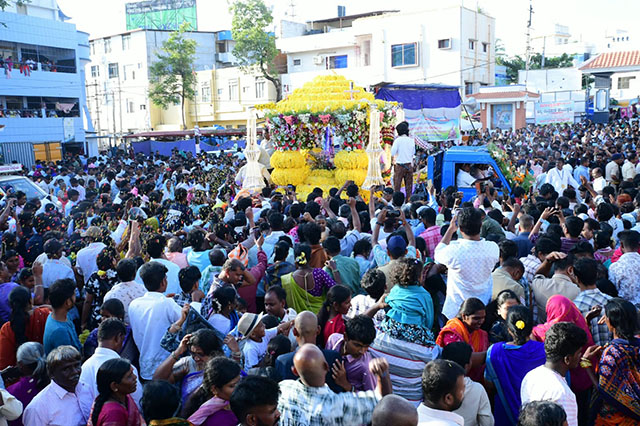
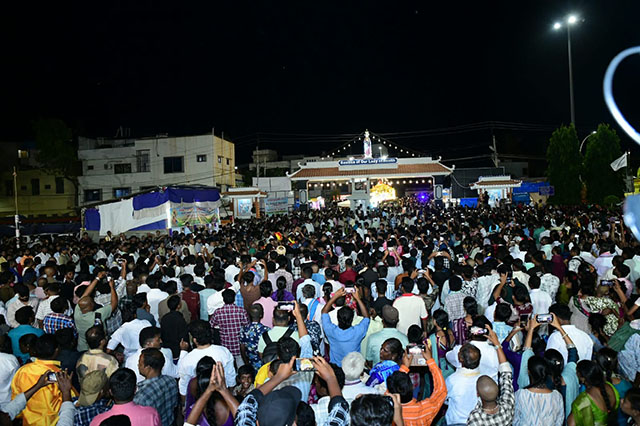
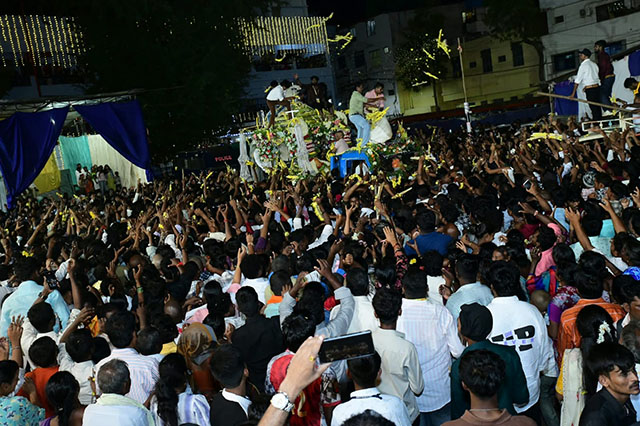
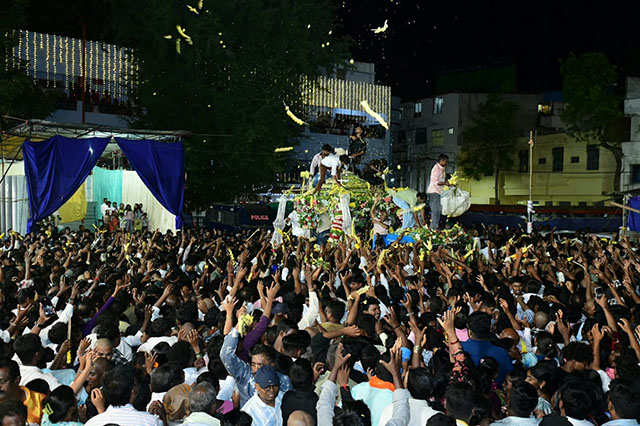
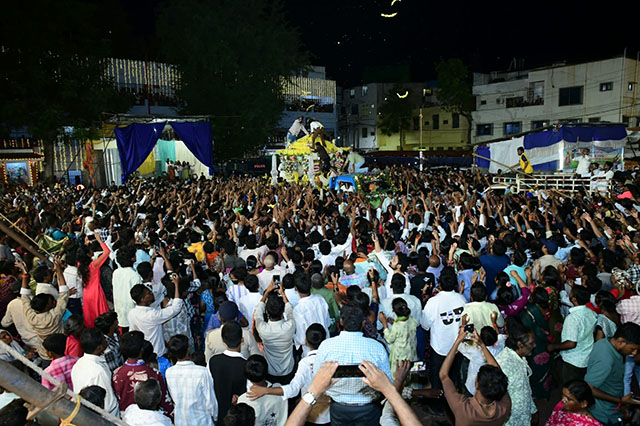
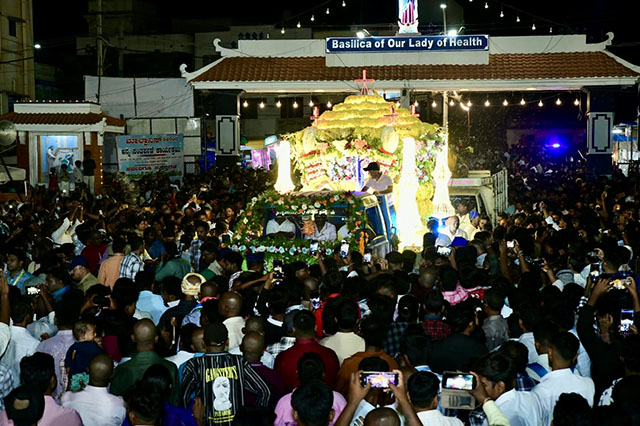
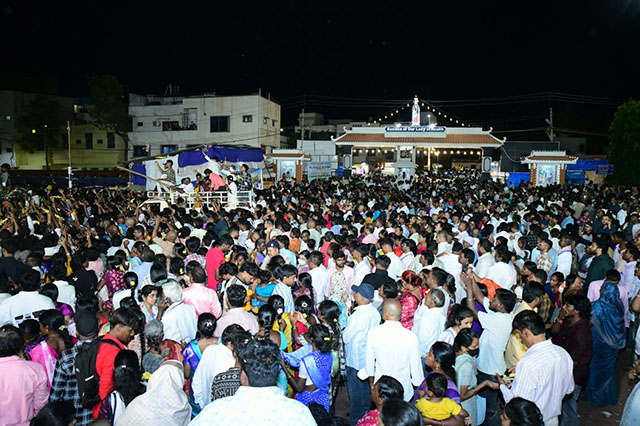
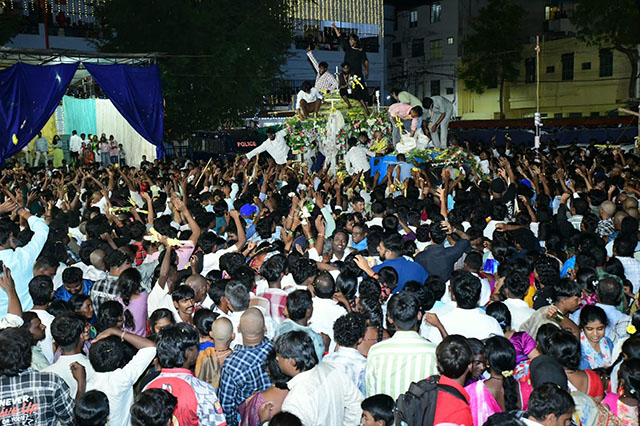
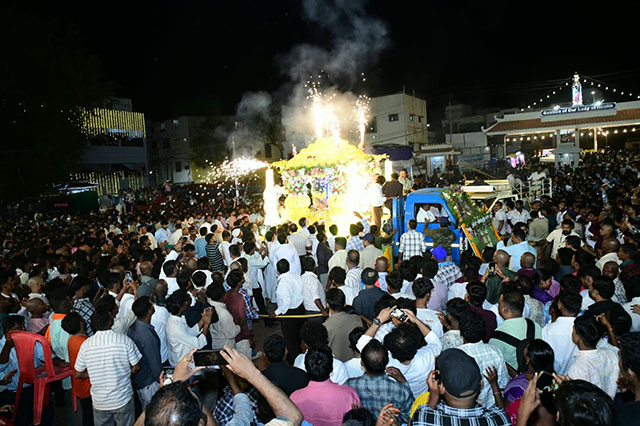
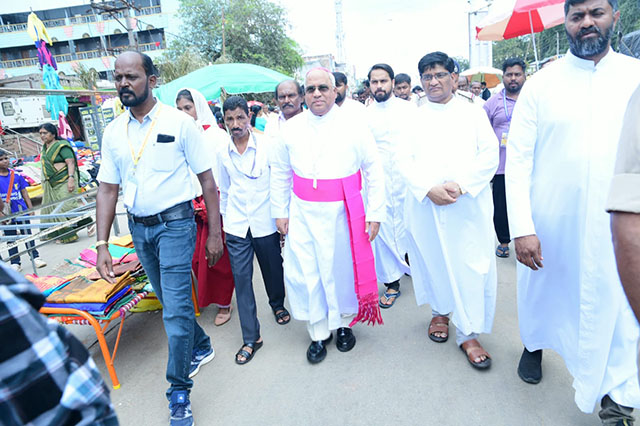
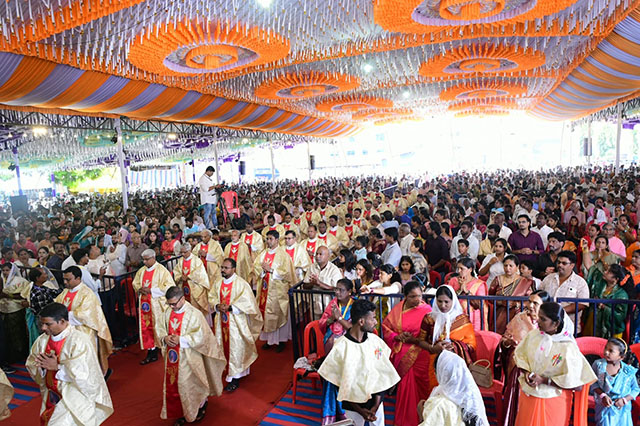
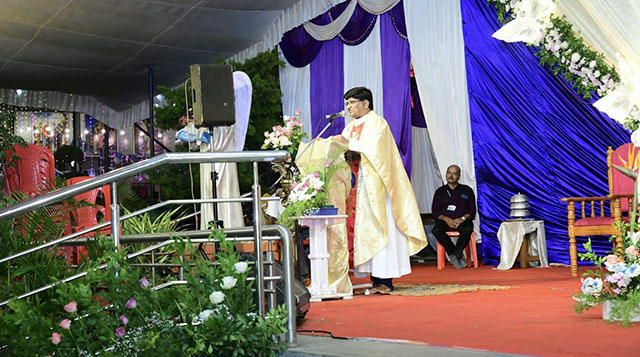
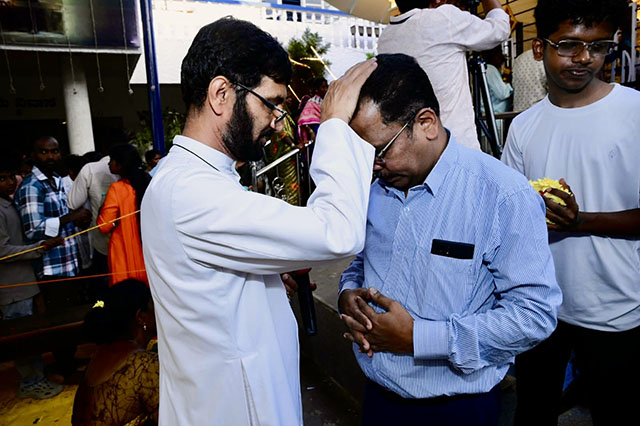
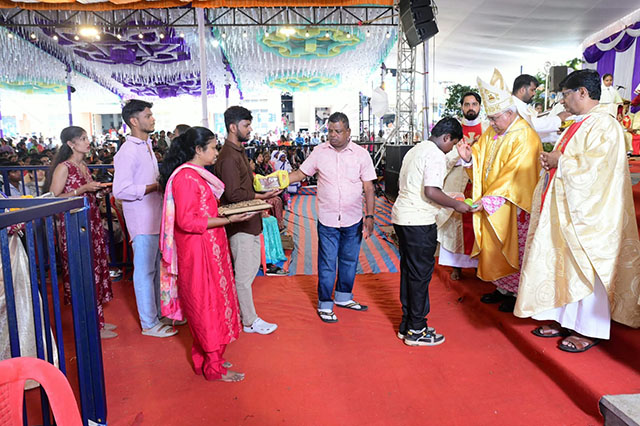
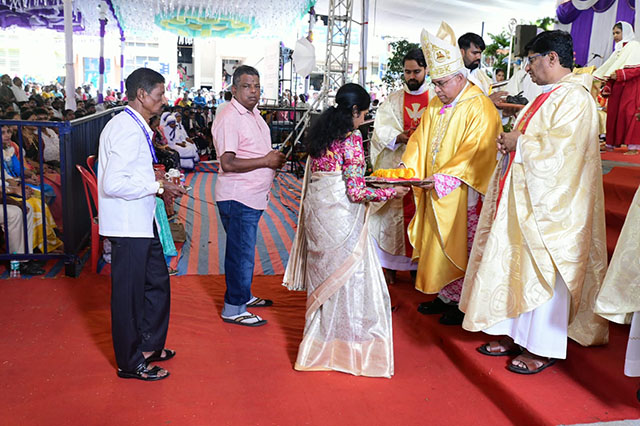
Every prominent street of Harihar town was filled with devotees who had come with petitions, tears, thanksgiving and hope. For many, the journey to Harihar was not merely a pilgrimage but a journey of faith—a journey to place their burdens at the feet of a Mother who, for generations, has been lovingly invoked as Harihar Matha and Our Lady of Health.
The theme chosen for this year's feast was ‘Mary – Mother of the Marginalized’. The theme gave a profound direction to the entire celebration, reminding the faithful that Mary is not distant from human suffering. She walks with the poor, consoles the broken-hearted, accompanies the sick, embraces the elderly and stands beside those pushed to the margins of society. The celebrations thus became not only an expression of devotion but also a call to every believer to become more compassionate and attentive to those whom society often forgets.
A Shrine Born from Faith and Providence
The history of Harihar Matha is deeply rooted in faith and popular tradition. According to tradition, a non-Christian devotee was once taking a bath in the swelling River Tungabhadra, on whose banks Harihar is situated. He accidentally fell into the river and, fearing that he would drown, saw a floating statue of Our Lady of Health. In his desperate struggle for life, he caught hold of the statue, which eventually helped save him.
When he reached home, an even more extraordinary event unfolded. His wife and children, who were suffering from serious illnesses, were miraculously healed after coming into contact with the statue of Our Lady. His wife was healed of tuberculosis and his child of paralysis.
Overwhelmed by gratitude, the man dedicated the rest of his life to the service of Our Lady and consecrated his home to the glory of the Mother. After his death, he was laid to rest at the place where his house once stood. In the course of time, the house was transformed into a place of worship, and eventually into a church dedicated to Our Lady of Health.
Situated on the banks of the River Tungabhadra, the Shrine has since become a sacred destination for people from different communities. Devotees arrive irrespective of caste, language or religion, united by a common faith and hope. In this sense, the Shrine is rightly and lovingly known as the ‘Vailankanni of Karnataka’.
Historical accounts also indicate that Fr Bigot built a prayer hall in Harihar in 1833.
From Shrine to Minor Basilica
Harihar itself has a rich historical background. Located in the present-day Davanagere District of Karnataka, the town passed through different periods of political administration, including the rule of the Mysore kings and later the British. In 1875, the British government brought together neighbouring villages and established Harihar as a taluk centre.
A new church dedicated to Our Lady of Health was built on August 31, 1992, through the initiative of Fr Jesu Rakshaka Nadhan and was inaugurated by Dr Ignatius Pinto, then bishop of Shimoga.
On May 27, 2012, during the tenure of Fr Stany D'Souza and through the efforts of Dr Gerald Isaac Lobo, then bishop of Shimoga and presently bishop emeritus of Udupi, the shrine was officially declared a diocesan shrine of the diocese of Shimoga.
A significant milestone was reached on September 18, 2019, when, during the tenure of Fr Anthony Peter and through the efforts of the then bishop of Shimoga, Dr Francis Serrao, SJ, the Vatican elevated the shrine of Our Lady of Health, Harihara, to the dignity and status of a Minor Basilica.
The Basilica became the third shrine in Karnataka to receive this honour, following St Mary's Minor Basilica in Bengaluru and St Lawrence Minor Basilica in Udupi. The official celebration of this historic recognition was held on January 15, 2020, with the Holy Eucharist celebrated in the presence of Cardinal Philip Neri Ferrão, president of the CCBI and archbishop of Goa and Daman, together with the bishops of Karnataka and a large gathering of clergy, religious and faithful.
Nine Days of Prayer and Preparation
The annual Novena was held from August 30 to September 7. Every evening, thousands of devotees gathered for the Rosary procession, Novena prayers, floral homage to Harihar Matha and the celebration of the Holy Eucharist.
Each day's Eucharistic celebration reflected on a particular theme connected with Mary and the struggles of humanity. The preaching invited the faithful not only to seek blessings from Mary but also to imitate her faith, humility, courage and concern for those who suffer.
The Novena celebrations concluded with healing adoration and Benediction, creating a deeply prayerful atmosphere in which countless devotees entrusted their sicknesses, families, struggles and anxieties to the Lord through the intercession of Our Lady of Health.
During the annual feast, the original statue of Our Lady is installed at a specially prepared place adjacent to the Basilica. Devotees patiently stand in queues stretching nearly two to three kilometres, carrying coconuts, candles, flowers and other offerings. They wait for hours for a brief moment of darshan—a moment to stand before the Mother, to whisper a prayer, to shed a tear, to offer thanks or simply to experience peace.
It is in these long queues that one sees the true face of pilgrimage. The rich and poor stand together. People of different languages pray together. Those carrying joy and those carrying sorrow wait side by side. Before the Mother, social differences lose their importance, and every person becomes simply a child seeking hope.
High Mass and Prayers for Healing
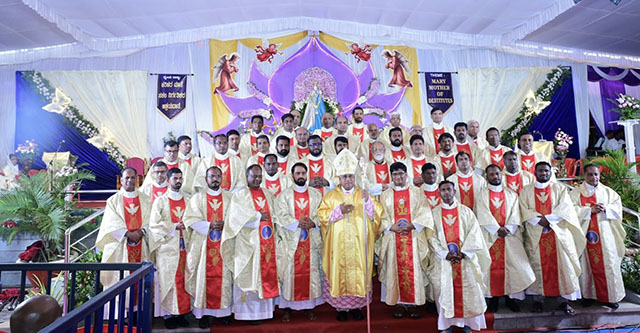
On September 7, the concelebrated High Mass in Kannada was celebrated by Dr Francis Serrao, SJ, bishop of Mysore, together with a large number of concelebrating priests.
The Eucharistic celebration was followed by Adoration of the Blessed Sacrament and a special prayer service for the sick led by Fr Franklin D'Souza and Fr Pius D'Souza.
The healing ministry continued on September 8, when Fr Roman Pinto led the faithful in prayer and Eucharistic adoration, invoking God's healing grace upon those suffering in body, mind and spirit.
Feast of the Nativity of Our Lady
The feast of the Nativity of the Blessed Virgin Mary and the annual feast of Our Lady of Health was celebrated with great solemnity on September 8.
The feast day began early in the morning with Holy Eucharist celebrated in different languages, reflecting the universal and inclusive character of the Basilica and its devotion.
The Eucharistic celebrations included Holy Mass in Kannada, Telugu, Malayalam according to the Syro-Malabar Rite, Tamil, English and Konkani. The Malayalam Holy Mass was celebrated by Dr Joseph Arumachadath, while the Festal High Mass in Kannada was celebrated by Dr Francis Serrao SJ, bishop of the diocese of Mysore. Healing Adoration was led by Fr Roman Pinto, followed by Holy Mass in Kannada and the Solemn Procession. The celebrations concluded with the Thanksgiving Holy Eucharist in Kannada.
The celebration of the Eucharist in several languages was a visible expression of the Church's universality. Harihar Matha spoke to every heart in its own language, while reminding all that faith has the power to unite people beyond linguistic and cultural boundaries.
A Chariot of Flowers and a Procession of Faith
One of the most moving moments of the feast was the solemn procession through the streets of Harihar town.
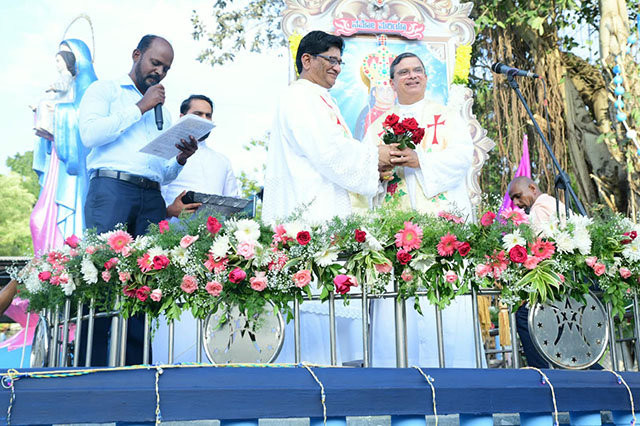
In the evening, the beautifully decorated chariot, adorned with thousands of chrysanthemums and flowers, was blessed by Fr George K A, rector and parish priest of the Minor Basilica.
The sacred image of Our Lady was then taken in procession through the prominent streets of Harihar. An ocean of devotees accompanied the chariot, singing hymns and praying the Rosary.
A particularly touching sight was the participation of people belonging to other religions. They stood on both sides of the streets to have a darshan of Harihar Matha and to receive her blessings. Many roads were cleaned and beautifully decorated with traditional rangoli in honour of the Mother.
The procession was more than a religious event. It was a powerful symbol of harmony, fraternity and shared humanity.
At a time when the world is often divided by religion, language and ideology, Harihar offered a different message: where there is genuine faith and love, people find ways to walk together.
Mary, Mother of the Marginalized
The theme of this year's feast, ‘Mary – Mother of the Marginalized’, found its most beautiful expression in the faces of the pilgrims.
Among the crowds were the sick seeking healing, elderly people seeking consolation, families praying for their children, young people searching for direction, workers carrying the burdens of daily life and countless devotees offering thanksgiving for blessings received.
A Collective Effort of Faith and Service
Thousands of devotees received special graces and blessings through their devotion to Mother Mary. Lacs of pilgrims arrived carrying petitions and thanksgiving for the favours they had received.
The Annual Jatra Mahotsav was made possible through the dedicated service and cooperation of priests, religious, volunteers, parishioners, civil authorities and numerous well-wishers.
Fr George K A, rector and parish priest of the Minor Basilica, and Fr Alvine Stanislaus served as the conveners of the feast. Fr Venil D'Silva, diocesan procurator, coordinated with the Rector in the organisation of the celebrations. Fr Roman Pinto, Fr Franklin D'Souza and Fr Pius D'Souza served as the Masters of Ceremonies.
Fr Nelson D'Souza was in charge of the liturgy, while Fr Regi, SDB, led the choir. Many priests, religious sisters, parishioners, volunteers and well-wishers generously contributed their time and service to ensure the smooth and successful celebration of the feast.
Fr George K A, rector of Our Lady of Health Minor Basilica, expressed his heartfelt gratitude to all those who contributed to the success of the Annual Jatra Mahotsav.
A Pilgrimage That Continues
The celebrations continued on September 9, with Holy Eucharist being celebrated in Kannada at 8:00 am, 10:30 am and 3:00 pm, especially for the intentions of the people living in the surrounding areas. The final Mass will be offered at 6:00 pm.
The Annual Jatra Mahotsav of 2026 was, not simply a feast attended by an ocean of people. It was an ocean of faith. And in that ocean, every pilgrim came with a different story—but all stood before one Mother. Mary, Mother of Health. Mary, Mother of the Marginalized. Mary, Mother of Hope.