Daijiworld Media Network - New Delhi
New Delhi, Sep 19: The Trinamool Congress (TMC), built by Mamata Banerjee on the promise of ending the Left Front's long rule in West Bengal, gradually came under criticism over governance, corruption allegations and growing internal divisions, according to political observers and reports.
The party's rise was driven largely by its campaign to oust the Left Front, which it achieved in 2011. However, questions over governance and the delivery of its promises increasingly came to dominate the political discourse in the state.
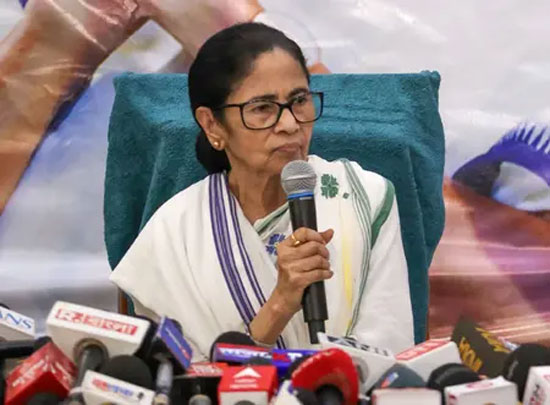
The government's welfare schemes and financial assistance programmes initially drew support, but critics later alleged that some schemes were used for political patronage and appeasement.
One of the most prominent controversies was the alleged practice of “cut money” — illegal commissions allegedly collected from beneficiaries of government schemes and people seeking various services.
In June 2019, Banerjee herself publicly directed party leaders to return such money. At a meeting with civic body representatives in Kolkata, she alleged that some leaders were even taking Rs 200 from the Rs 2,000 assistance provided to poor families for last rites. Contemporary reports documented her remarks and subsequent demands for refunds from alleged beneficiaries of the practice.
The issue had already been raised repeatedly by the Opposition, particularly the Bharatiya Janata Party (BJP). The allegations centred on commissions allegedly demanded for accessing welfare benefits, housing assistance and other government services.
The TMC government also faced allegations relating to smuggling, including cattle and coal, as well as alleged irregularities in teacher recruitment. Opposition parties and investigative agencies subsequently pursued several cases involving alleged corruption, with allegations extending to senior leaders.
At the same time, divisions within the party reportedly deepened, with competing camps emerging around Mamata Banerjee and her nephew, Abhishek Banerjee, the party's national general secretary.
Abhishek's growing influence was accompanied by reports of differences with sections of the older leadership. Before the 2024 Lok Sabha election, reports suggested that he favoured sidelining several senior leaders, including Sougata Ray, Sudip Bandyopadhyay and Kalyan Banerjee. Banerjee's intervention was reported to have prevented a wider confrontation.
The role of professional political consultants also became a point of contention within the organisation. The Indian Political Action Committee (IPAC), which entered West Bengal when Prashant Kishor was associated with the organisation, was reportedly criticised by sections of the TMC leadership for its growing influence in organisational and electoral affairs.
Some party leaders were also reportedly unhappy with the involvement of younger recruits whom they regarded as outsiders to Bengal's political culture.
Despite the internal complaints, Abhishek Banerjee's influence continued to grow, while dissent within sections of the organisation remained.
The party's subsequent electoral setbacks intensified questions over its organisational functioning and leadership structure.
Mamata Banerjee, now 71, has often been seen by political observers as preparing the ground for a future transfer of greater responsibility to Abhishek. At the same time, the relationship between the party organisation and the government has been a recurring issue within the TMC.
Banerjee herself has previously acknowledged the need for closer coordination between the government and the organisation. Critics, meanwhile, have argued that the gap between the party's promises and its delivery has contributed to its political difficulties.
The latest developments have therefore brought renewed focus on the TMC's organisational structure, its internal leadership dynamics, allegations of corruption and the challenges facing Banerjee as she seeks to retain control over the party.
The political future of the organisation will depend in part on how it addresses these internal divisions and the allegations that have accumulated during its years in power.