Daijiworld Media Network - Sanaa
United Nations, Sep 22: Families displaced by the ongoing hostilities in Yemen are in urgent need of food, shelter and medical assistance, with humanitarian supplies running low as violence and needs continue to escalate, UN humanitarian agencies said.
The UN Office for the Coordination of Humanitarian Affairs (OCHA) said on Monday (local time) that it and its humanitarian partners had stepped up assistance for displaced families and others in need. However, the response continues to face funding shortages and restrictions on humanitarian access.
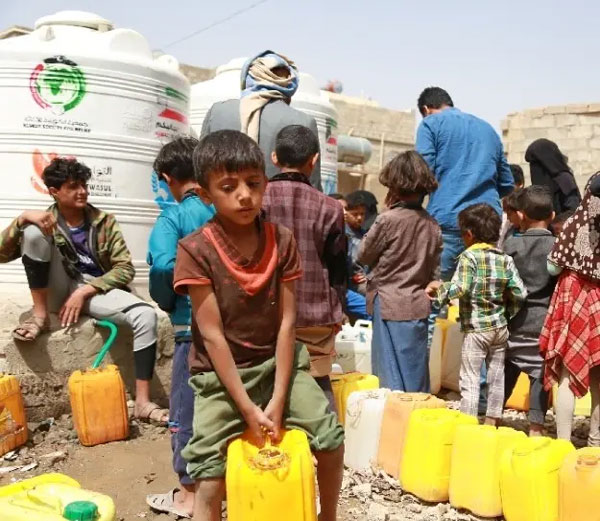
OCHA said around 21,000 households had been displaced across Yemen since August 1, with most of the displaced families located in the governorates of Taiz and Lahj. The number is expected to increase as registration and assessments continue.
Since August 1, the UN Human Rights Office has verified 125 civilian casualties in 36 incidents, including 32 deaths and 93 injuries. More than 80 per cent of the civilian casualties recorded this month were women and children, although the actual toll is believed to be considerably higher.
The humanitarian situation has also affected medical services. OCHA said ambulances came under attack in Lahj governorate on Friday, killing an ambulance driver and an emergency medical responder.
Nine health facilities or locations in Taiz and Lahj governorates and the city of Al Hodeidah have either been damaged, closed or directly attacked, Xinhua news agency reported.
Hospitals treating those injured in the violence are facing shortages of blood, anaesthetics and essential surgical supplies, further complicating efforts to provide emergency care.
OCHA also highlighted the heightened risks faced by women and girls in Yemen, particularly pregnant women, who already have extremely limited access to healthcare.
Three women die every day in Yemen due to complications related to pregnancy or childbirth, according to the UN. The latest escalation in hostilities has further increased the risks faced by pregnant women and other vulnerable groups.
The UN Population Fund (UNFPA) estimates that more than 2,700 pregnant women are among those displaced by the recent violence. Of them, around 300 are expected to give birth within the next two weeks, while at least 500 require emergency obstetric or newborn care.
However, several key emergency obstetric facilities have been closed in Taiz, leaving some displaced women at risk of giving birth in the open without access to skilled medical personnel.
Despite the challenges, humanitarian agencies have continued their response. OCHA said its partners had provided rapid response kits and other urgent assistance to nearly 13,000 displaced households.
The World Health Organization (WHO) has also delivered surgical supplies and antibiotics to four hospitals in Aden and Marib to help them treat patients amid the escalating humanitarian crisis.
OCHA called on all parties to the conflict to protect civilians, including health workers and ambulance personnel, and ensure that humanitarian organisations can deliver aid safely and without obstruction.
The UN office also urged the parties to facilitate unhindered humanitarian access to affected communities as displacement and humanitarian needs continue to rise.