Daijiworld Media Network - New Delhi
New Delhi, Sept 24: A delay in the annual revision of electoral rolls has raised concerns over the timely inclusion of a new generation of young voters, with the issue coming into focus amid reported differences within the Election Commission of India.
According to a report published by The Economic Times, the annual Special Summary Revision (SSR) of electoral rolls has not resumed since the 2024 Lok Sabha elections. The report says the delay could affect the inclusion of citizens who have turned 18 and become eligible to vote.
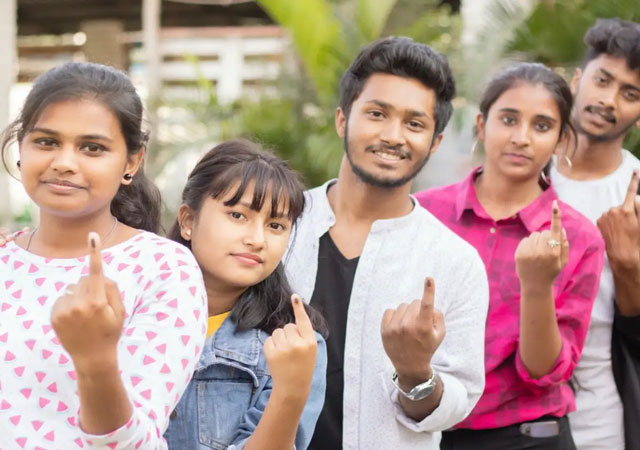
The development assumes significance for Gen Z voters, many of whom are reaching voting age for the first time. Electoral-roll revision is the regular process through which new voters are added and existing entries are corrected, shifted or deleted.
The Economic Times report says Election Commissioners Sukhbir Singh Sandhu and Vivek Joshi have favoured resuming the annual revision, while Chief Election Commissioner Gyanesh Kumar has sought a legal opinion on conducting the exercise alongside the ongoing Special Intensive Revision (SIR) process.
The report comes a day after The Indian Express highlighted another disagreement within the Election Commission over changes to Form 6, the application used by first-time voters to register themselves.
According to The Indian Express, Sandhu and Joshi raised objections to changes made to Form 6 on the ECINet portal. The revised form reportedly included questions connected with the earlier SIR exercise, including whether the applicant or their parents or grandparents appeared in previous electoral rolls.
The two Election Commissioners reportedly questioned the legality and manner of introducing these changes, particularly in the context of young voters who may be applying for registration for the first time.
The developments have brought renewed attention to the functioning of the Election Commission and the process of maintaining electoral rolls.
At the same time, the Election Commission’s official voter-services portal continues to provide Form 6 for citizens aged 18 and above, as well as those who will attain 18 years of age during the qualifying period.
The issue, therefore, is not simply whether young citizens can apply to become voters. The larger question is why the regular annual revision of electoral rolls has remained pending and how the Election Commission intends to incorporate newly eligible voters into the electoral system.
With millions of young Indians entering the electorate every year, the manner in which their names are added to electoral rolls will remain an important issue for India’s democratic process.