Daijiworld Media Network - Tehran
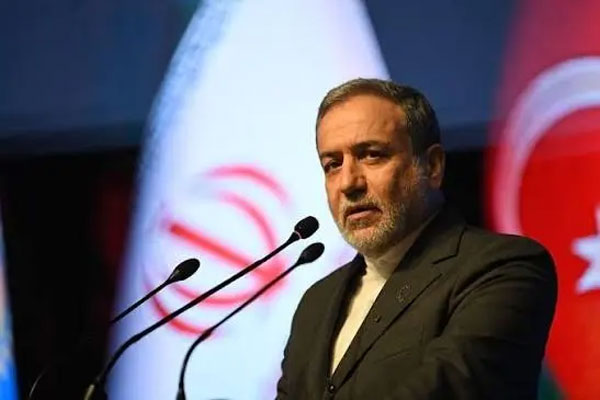
Tehran, Sep 25: Iran has proposed a seven-day plan to the administration of US President Donald Trump to reopen the Strait of Hormuz and resume negotiations aimed at ending the broader conflict, Iranian Foreign Minister Abbas Araghchi said.
Araghchi said the proposal was conveyed to US officials through mediators during indirect discussions this week. Under the plan, the Strait of Hormuz would be reopened at the end of the seventh day if certain conditions were met, following which negotiations would resume.
The proposal could provide a fresh diplomatic opening after months of conflict and disruptions to shipping through the strategically important waterway. The Strait of Hormuz is a major global energy corridor through which a significant share of the world's oil supplies normally passes.
Araghchi disclosed the initiative while speaking to reporters on the sidelines of the United Nations General Assembly in New York. He said the conditions being sought by Tehran were not new and broadly reflected a memorandum of understanding reached between Iran and the US in June.
"The conditions we asked are nothing new," Araghchi said.
Iran has said the seven-day process would begin once Washington accepts its conditions, with Tehran awaiting a response through the mediators.
It remained unclear whether the proposal would meet the Trump administration's conditions for ending the conflict. The two sides also remain divided over the status and management of the Strait of Hormuz and over Iran's nuclear programme.
Tehran has interpreted previous understandings as recognising Iranian authority over the waterway, a position that the United States and its regional partners have rejected.
Following attacks by Israel and the United States on Iran in late February, Iran mined parts of the waterway and warned ships against attempting to pass without coordination with Tehran. Shipping traffic subsequently fell sharply, contributing to concerns over global energy supplies and prices.
The latest proposal comes amid continuing diplomatic contacts between Washington and Tehran through intermediaries. Iran had earlier conveyed a proposal to the US on September 16, with Tehran saying the UN General Assembly offered an opportunity to revive diplomacy.
US President Donald Trump acknowledged diplomatic contacts with Iran during his address to the UN General Assembly on Tuesday. He said Tehran could reach an agreement to end the conflict or face "annihilation". Members of the Iranian delegation walked out during his speech.
Iranian President Masoud Pezeshkian responded during his General Assembly address on Wednesday, saying Iran needed sufficient strength to protect itself from external threats.
"Iran must be powerful so as to avoid being threatened, to avoid its future being threatened," Pezeshkian said.
He also said Iran remained prepared for dialogue and negotiations but would not accept what he described as the language of force.
"We are ready for dialogue and diplomacy and negotiations without accepting the language of force," he said.
Trump has maintained that the United States entered the conflict alongside Israel to prevent Iran from developing nuclear weapons.
Pezeshkian, however, has maintained that Iran does not seek nuclear weapons and retains the right to develop peaceful nuclear technology.
The dispute over Iran's nuclear activities remains a central obstacle to any broader agreement. Washington has sought safeguards to ensure that Tehran cannot develop a nuclear weapon, while Iranian officials have insisted that the country must be permitted to maintain a civilian nuclear programme.
Pezeshkian also used his UN appearance to reject attempts to pressure Iran into negotiations through military action.
"A world without power is dangerous," he said. "But a world that only understands the language of war and bullying will not be safe."
The latest Iranian proposal links two immediate issues — restoring shipping through the Strait of Hormuz and restarting negotiations on a wider settlement, including the nuclear dispute. Araghchi did not disclose whether the nuclear issue would form part of the proposed seven-day process, but recent reports indicate that the plan is intended to revive comprehensive negotiations between Washington and Tehran.