Daijiworld Media Network - Washington
Washington, Sep 30: The US Supreme Court on Tuesday allowed the Donald Trump administration to resume deporting migrants to countries other than their countries of origin, while agreeing to hear a legal challenge to the policy on its merits in December.
The court granted an emergency request from the administration to suspend a lower court ruling that had restricted, but did not completely prohibit, so-called “third-country removals”. The Supreme Court's order temporarily puts the lower court restrictions on hold pending further proceedings.
The lower court had ruled that migrants facing deportation to a third country must receive meaningful notice of where they would be sent and an opportunity to raise concerns if they feared persecution or torture there. The US Court of Appeals for the First Circuit had upheld most of that ruling on September 18.
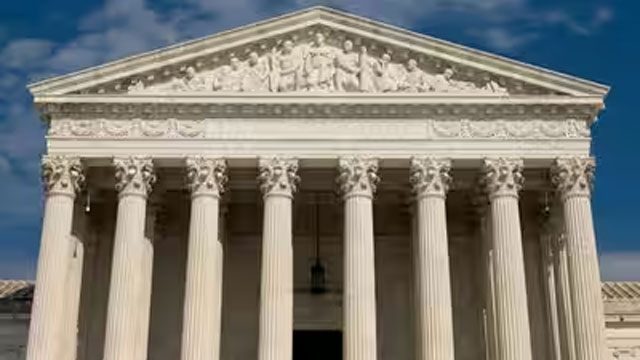
The Supreme Court's three liberal justices dissented from Tuesday's decision to allow the deportations to resume while the case proceeds. The court will hear arguments in December on whether the administration's policy complies with federal immigration law, constitutional due process protections and relevant regulations.
The Trump administration has defended third-country deportations as an important immigration enforcement tool, particularly when migrants' countries of origin refuse to accept them. Solicitor General John Sauer told the court that the policy was an “essential tool” for removing certain migrants, including people with criminal records, and argued that the lower court's ruling had created significant logistical difficulties.
Opponents of the policy have argued that the lower court did not impose a blanket ban on third-country deportations but required the administration to carry them out lawfully, including by providing migrants with adequate notice and an opportunity to raise claims of persecution or torture.
The policy has been used since 2025, and more than 25,000 migrants have reportedly been deported to 29 countries, with the majority sent to Mexico, according to figures cited by Reuters. Other destinations have included South Sudan, Uganda, Equatorial Guinea, Liberia and the Central African Republic.
An AFP investigation found that the United States has offered financial incentives and threatened visa restrictions to persuade third countries, particularly in Africa, to accept deportees. Reports cited in court filings have alleged that some deportees subsequently faced detention, abuse, disappearance or transfer to their countries of origin.
The administration's critics have also argued that the policy can affect migrants who have previously received US protection against deportation to their home countries. The plaintiffs in the case have alleged that some deportees were subjected to abuse or indefinite detention after being transferred to third countries.
US law generally bars the government from deporting people to countries where they face a risk of persecution or torture. The Supreme Court's December hearing will determine the legality of the broader policy, while Tuesday's order allows the administration to continue the third-country removals in the meantime.