Daijiworld Media Network - Tehran
Tehran, Dec 8: Iran’s foreign minister Seyed Abbas Araghchi has reaffirmed Tehran’s commitment to advancing its peaceful nuclear energy programme, saying recent airstrikes by the US and Israel damaged nuclear facilities but did not undermine Iran’s nuclear capabilities, according to local reports.
In an interview, Araghchi stressed Iran’s rights under the Nuclear Non-Proliferation Treaty (NPT). “We are a committed member of the NPT and fully entitled to peaceful nuclear technology, just as Japan is,” he said, drawing a parallel between the two countries’ approaches to civilian nuclear energy.
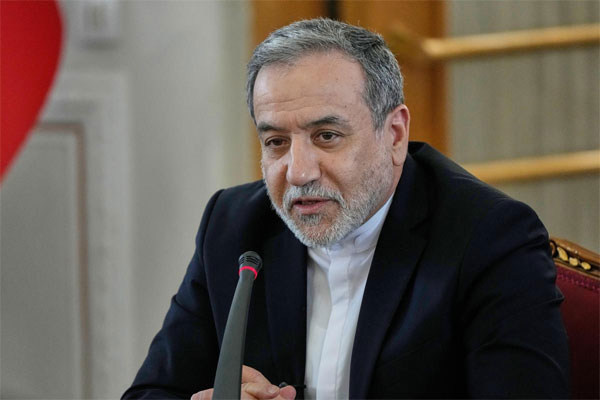
Araghchi condemned the June airstrikes that, he said, left Iranian nuclear sites “destroyed and heavily damaged.” Since these facilities were operating under International Atomic Energy Agency (IAEA) oversight, he described the attacks as a serious violation of international law.
He also raised concerns about the safety risks posed by the damaged sites and urged Japan to share its hard-earned expertise from past nuclear disasters. “Japan has significant knowledge on improving nuclear safety — environmental, medical, and technical — and we hope to benefit from that experience,” he added, according to IRNA.
Addressing the possibility of renewed nuclear negotiations with Washington, Araghchi said progress hinges entirely on the US. “If they shift their approach and are ready for a fair, balanced, mutually beneficial agreement, we are prepared as well. But we have not had good experiences negotiating with the US,” he noted.
Meanwhile, Iran’s Supreme Leader Ali Khamenei recently dismissed reports suggesting Tehran had used intermediaries to communicate with Washington. In a televised address, he rejected claims that a message from President Masoud Pezeshkian was conveyed to Saudi Crown Prince Mohammed bin Salman prior to his US visit. “These rumours are fabricated lies. No such message existed,” he asserted.
Media reports had earlier claimed that Pezeshkian’s alleged letter conveyed Iran’s desire to avoid confrontation, strengthen regional cooperation, and remain open to resolving nuclear issues through diplomacy — provided its rights were fully protected.