Daijiworld Media Network - New Delhi
New Delhi, Jan 31: The Global Virus Network (GVN) has said it is closely monitoring reports of a Nipah virus outbreak in India, while stressing that such cases, though serious, are not unexpected and do not pose an escalating global threat.
GVN, which represents leading human and animal virologists from over 90 centres across more than 40 countries, noted that sporadic Nipah virus infections have occurred almost every year in parts of South Asia, particularly in India and Bangladesh. These incidents, it said, reflect known regional patterns rather than a new or widening risk.
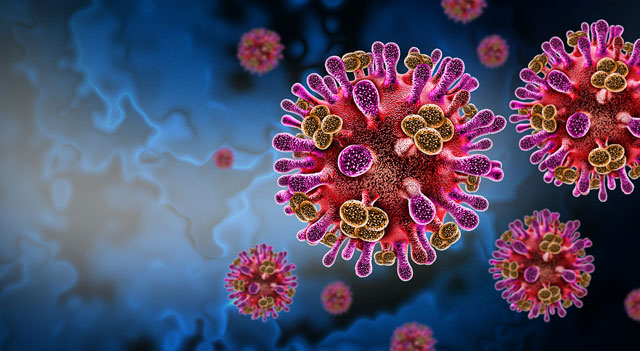
Nipah virus is a zoonotic disease carried by fruit bats, with human infections usually linked to local exposure such as contact with infected animals or contaminated food. While limited human-to-human transmission has been reported, it remains rare and typically requires close contact during acute illness.
Professor Linfa Wang, Director of the GVN Center of Excellence at Duke-NUS Medical School in Singapore, said the overall risk of regional or global spread is very low. He added that similar outbreaks in India and Bangladesh are largely driven by specific cultural and environmental factors rather than sustained human transmission.
GVN said countries with strong public health systems and surveillance mechanisms are well equipped to manage the risk through early detection, clinical awareness and rapid diagnostics. The network is tracking the situation through its affiliates and centres, including the Institute of Advanced Virology in Kerala, which is involved in Nipah research, surveillance and the development of new diagnostic tests.
Although there are currently no approved vaccines or antiviral treatments for Nipah virus, experts noted that promising candidates have shown effectiveness in animal studies, underscoring the need for continued investment and international cooperation.
GVN reiterated that the current outbreak does not constitute a global emergency but highlights the importance of robust surveillance, diagnostics and globally connected scientific networks in responding to emerging infectious threats.