Daijiworld Media Network - Riyadh
Riyadh, Dec 15: Saudi Arabia is set to allow foreign nationals to own property under a new legal framework coming into effect in January 2026. The law clearly outlines where foreigners can purchase real estate, the types of property they can acquire, and the legal limits governing ownership, signaling a major shift in the Kingdom’s approach to real estate investment while maintaining regulatory oversight.
Residential property ownership will be permitted across most Saudi cities, although Makkah, Madinah, Jeddah, and Riyadh are exceptions. Authorities may later designate specific zones within these cities where foreign ownership could be allowed, subject to approval. Non-Saudi residents living in the Kingdom will be able to own one residential unit outside the designated ownership zones, except in Makkah and Madinah, where residential property remains restricted to Muslims. Non-residents will only be allowed to acquire property in officially approved areas.
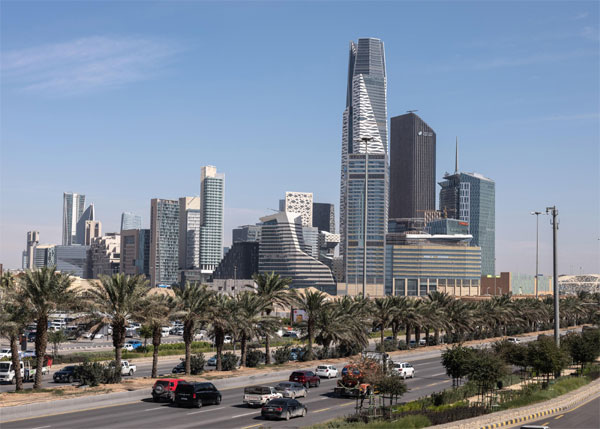
In contrast, the law takes a more expansive approach for commercial, industrial, and agricultural properties. Foreigners will be allowed to own these types of real estate in all Saudi cities without exception, reflecting the Kingdom’s intent to attract investment and support industrial and agricultural development nationwide.
The framework establishes clear geographic boundaries, ownership limits, and legal controls. Property acquisition or real estate rights by non-Saudis will be permitted only in areas designated by the Council of Ministers, based on recommendations from the Real Estate General Authority and approved by the Council of Economic and Development Affairs. The law specifies the types of rights allowed, maximum ownership ratios, and other conditions, ensuring that foreign ownership does not confer extra privileges beyond the legal provisions and does not interfere with programs like the Premium Residency Program or GCC agreements.
All foreign individuals and entities must register with the relevant authorities, and ownership will only be recognized once recorded in the Real Estate Registry. A transaction fee of up to 5% of the property value will apply, with exact details outlined in the executive regulations. Violations of the law may result in fines or warnings, and providing false information can lead to fines up to SR10 million or, in certain cases, a court-mandated sale of the property.
Through this framework, Saudi Arabia aims to open its real estate market to foreign investors while ensuring transparency, legal clarity, and controlled growth across both residential and commercial sectors.