Daijiworld Media Network - Beirut
Beirut, Jan 8: The Lebanese army on Thursday announced that it has achieved operational control over areas south of the Litani River, barring zones under Israeli control, and has entered an advanced phase of consolidating arms to ensure no armed groups can use the border region for military activities in the future.
In a statement, the army reaffirmed its commitment to being the sole authority responsible for security across Lebanon, with particular emphasis on the southern region. It said its plan to monopolise weapons had progressed significantly after successfully completing the first phase on the ground.
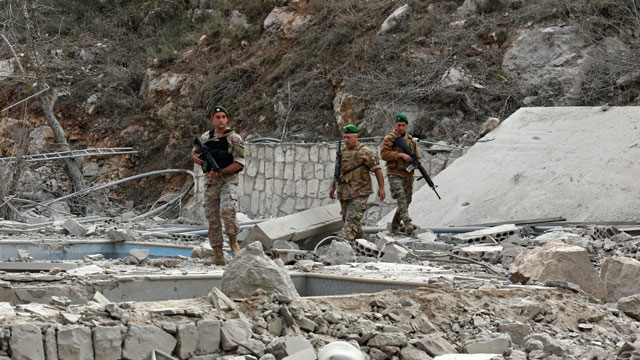
“Following the effective and tangible achievement of the objectives of the first phase, the army has moved into an advanced stage of consolidating arms,” the statement said, adding that full operational control has been established south of the Litani River, except in areas still under Israeli Defence Forces (IDF) control.
However, the announcement drew sharp criticism from Israel. Former Israeli defence minister Yoav Gallant said the Lebanese army was acting with “laxity” and avoiding confrontation with Hezbollah, thereby failing to uphold commitments under agreements between the two countries.
“Despite its announcement this morning, the Lebanese army is acting with laxity and avoiding friction with Hezbollah. As a result, the agreement is not being upheld, and terror infrastructures are not being neutralised,” Gallant wrote in a post on X. He added that Israel would continue to monitor Hezbollah and strike targets in Lebanon wherever necessary to prevent future threats.
Notably, the Lebanese army’s statement made no mention of Hezbollah, which had agreed to a ceasefire with Israel in November 2024 after suffering heavy losses in leadership, fighters and infrastructure. Under the ceasefire agreement, only Lebanese state security forces are permitted to bear arms in the region.
Clashes between Israel and Hezbollah escalated after October 8, 2023, when the group began launching attacks on Israel in solidarity with Gaza following the Hamas-led attack in southern Israel.
A Lebanese security source told Reuters that the army’s statement was intended to signal that no group would be allowed to launch attacks from southern Lebanon. Despite the ceasefire, Israel has continued to carry out strikes targeting Hezbollah operatives allegedly attempting to re-establish their presence in the south.
In November last year, the IDF claimed it had killed more than 370 Hezbollah fighters since the ceasefire came into effect. Israeli intelligence sources have also reportedly expressed doubts over the Lebanese army’s ability to exert control over Hezbollah, alleging that the group has infiltrated the army’s ranks through double agents.