Daijiworld Media Network - Seoul
Seoul, Jan 14: Researchers at the Korea Advanced Institute of Science and Technology (KAIST) have developed a groundbreaking cancer treatment strategy that reprogrammes immune cells already present inside tumours, turning them into potent cancer-killing agents.
KAIST, led by President Kwang Hyung Lee, announced that a research team headed by Prof Ji-Ho Park from the Department of Bio and Brain Engineering has devised a method that eliminates the need for laboratory-based extraction and genetic modification of immune cells.
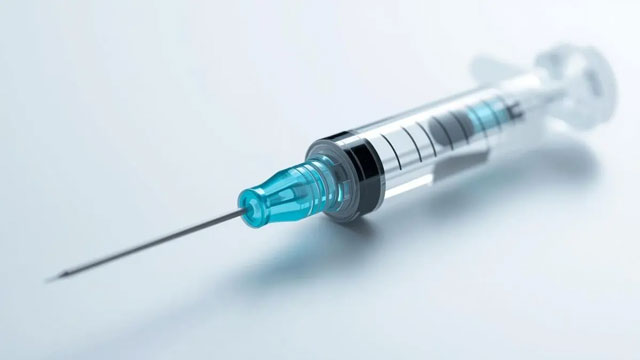
Under the new approach, a drug injected directly into a tumour is absorbed by macrophages — immune cells that naturally accumulate around cancerous tissue. These macrophages are then induced to produce CAR (chimeric antigen receptor) proteins, enabling them to recognise and destroy cancer cells. The transformed cells, known as CAR-macrophages, also activate surrounding immune defences, amplifying the body’s anticancer response.
Solid tumours such as gastric, lung and liver cancers are notoriously difficult to treat because their dense structure prevents immune cells from entering and functioning effectively. As a result, many existing immune cell therapies show limited success against such cancers.
CAR-macrophages are considered a promising next-generation immunotherapy as macrophages can directly engulf cancer cells and stimulate neighbouring immune responses. However, conventional CAR-macrophage therapies require immune cells to be harvested from a patient’s blood, expanded in laboratories and genetically modified before reinfusion — a process that is time-consuming, costly and difficult to scale.
To overcome these hurdles, the KAIST team focused on tumour-associated macrophages already present in the body. Using lipid nanoparticles engineered for efficient uptake by macrophages, the researchers delivered mRNA carrying cancer-recognition instructions along with immune-activating compounds, allowing the cells to be reprogrammed directly inside the body.
In animal studies, particularly melanoma models, the treatment significantly suppressed tumour growth. The enhanced CAR-macrophages demonstrated stronger cancer-killing ability and stimulated robust immune signalling, activating surrounding immune cells. Researchers also observed indications that the immune response could extend beyond the treated tumour, suggesting potential body-wide protection.
“This study presents a new concept of immune cell therapy that generates anticancer immune cells directly inside the patient’s body,” Prof Park said, adding that the approach simultaneously addresses key limitations of existing CAR-macrophage therapies, including delivery efficiency and the immunosuppressive tumour environment.
The study was led by Dr Jun-Hee Han of KAIST as the first author and was published on November 18 in the international nanotechnology journal ACS Nano. The research was supported by the Mid-Career Researcher Program of the National Research Foundation of Korea.