Daijiworld Media Network - New Delhi
New Delhi, Feb 3: The word thyroid is derived from the Greek term “thyrus”, meaning shield, reflecting the shield-like shape of the thyroid gland located in the lower part of the neck. This small but vital gland produces thyroxine, a hormone essential for the normal functioning of almost every system in the human body.
When thyroid hormone levels are normal, the condition is known as euthyroid. Reduced hormone levels lead to hypothyroidism, while excess hormone production results in hyperthyroidism. Swelling of the thyroid gland is a common occurrence, and a significant proportion of the population develops thyroid nodules, many of which may remain undetected throughout life.
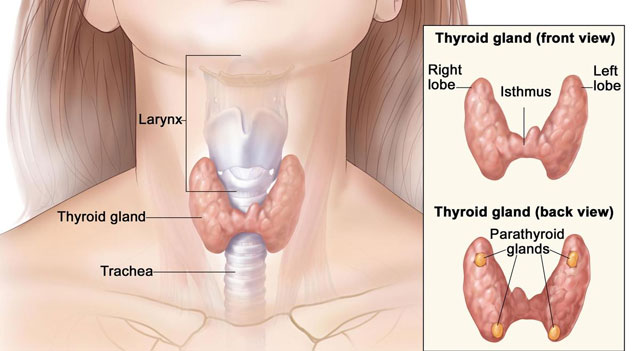
How thyroid hormones function
The thyroid gland produces two key hormones — T3 (Tri-iodothyronine) and T4 (Thyroxine). T4 contains four iodine atoms and is converted in the liver and other tissues into the more active T3 hormone, which acts on organs such as the brain. The production of T4 is regulated by Thyroid Stimulating Hormone (TSH), secreted by the pituitary gland at the base of the brain. When thyroid hormone levels fall, the pituitary increases TSH secretion to stimulate the thyroid. When levels rise, TSH production is suppressed, maintaining a delicate hormonal balance.
When to get tested
Excess thyroid hormones can cause symptoms such as excessive sweating, heat intolerance, palpitations, tremors, anxiety, nervousness, weight loss, frequent bowel movements, hair loss, menstrual irregularities and eye discomfort or bulging.
Low thyroid hormone levels may lead to dry skin, constipation, depression, forgetfulness, weight gain and heavy menstrual flow. Persistent symptoms warrant medical evaluation and thyroid function tests.
Thyroid disorders in pregnancy
After diabetes, thyroid disorders are the most common endocrine problems encountered during pregnancy. Normal thyroid function is crucial for both maternal health and foetal development throughout pregnancy and lactation.
Physiological changes during pregnancy may mask thyroid disorders, delaying diagnosis. Untreated thyroid disease can lead to miscarriages, preterm delivery, low birth weight, thyroid storm or even heart failure. Hence, routine screening during antenatal check-ups through clinical examination, family history and blood tests is essential.
Preventive measures include the use of iodised salt, regular exercise, limiting processed foods, and avoiding smoking, alcohol and radiation exposure. Pregnant women already on thyroid medication may require dose adjustments, with monthly thyroid function monitoring. Thyroid nodules detected during pregnancy may require ultrasound and FNAC evaluation, and surgery, if needed, is usually planned during the second trimester or after delivery.
Benign thyroid swellings
Benign thyroid swellings may occur due to simple goitre, iodine deficiency, genetic defects, toxic goitre, autoimmune thyroiditis or, rarely, infections. Most multinodular goitres are asymptomatic and can be monitored through periodic ultrasounds.
Patients often notice a neck swelling while looking in the mirror, or it may be detected incidentally during imaging for other reasons. Evaluation involves a detailed history, clinical examination, blood tests, ultrasound and FNAC when required.
When is surgery required?
Surgery is advised in benign thyroid conditions if there is suspicion of cancer, pressure symptoms, hormonal toxicity or cosmetic concerns. Surgical options include hemithyroidectomy or total thyroidectomy.
Malignant thyroid lesions
Thyroid cancer is one of the most curable cancers, with a cure rate of nearly 90 per cent when detected early. Risk factors include age, radiation exposure in childhood, iodine deficiency, obesity, smoking, alcohol consumption and family history.
Evaluation includes clinical examination, ultrasound, FNAC, molecular testing and assessment of lymph nodes. Treatment may involve surgery, radioiodine ablation and lifelong thyroid hormone replacement.
What patients should know
Thyroid disorders — both benign and malignant — are common and easily detectable through clinical examination and simple investigations. With timely diagnosis and appropriate treatment, most thyroid conditions, including cancer, are highly manageable and curable. Awareness, regular check-ups and early intervention remain the key to maintaining thyroid health.