Daijiworld Media Network - Liverpool
Liverpool, Apr 8: Researchers from the Liverpool School of Tropical Medicine, in collaboration with the University of Liverpool, Médecins Sans Frontières, and the Noma Children’s Hospital, have identified a previously unknown bacterium associated with Noma, shedding new light on the neglected disease.
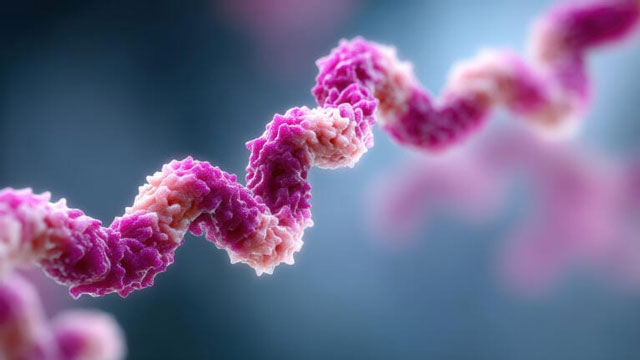
The findings, published in the journal PLOS Neglected Tropical Diseases, used advanced metagenomic sequencing combined with machine learning to analyse saliva samples from children affected by noma. The study revealed a previously undescribed species of Treponema strongly linked to the disease.
Noma is a rapidly progressing infection that begins as gum inflammation and can destroy the tissues of the mouth and face. It predominantly affects children living in extreme poverty and, if untreated, can be fatal in up to 90 per cent of cases. The World Health Organization recognised it as a neglected tropical disease in 2023, though its causes have remained largely unclear.
By examining the full oral microbial community, researchers identified a consistent bacterial pattern associated with the onset of the disease. Notably, Treponema species were found in the early stages, suggesting they may play a critical role in the progression from simple gum infection to severe tissue damage.
The study also highlighted a major imbalance in the oral microbiome of affected children, where harmful bacteria increase while beneficial microbes decline — a factor believed to accelerate the disease.
Importantly, the newly identified bacterium does not appear to carry known antibiotic resistance genes, raising hope that early diagnosis and treatment using existing antibiotics could be effective.
Senior author Adam Roberts noted that the use of advanced sequencing technologies has enabled scientists to observe the bacterial ecosystem in unprecedented detail, leading to this breakthrough.
The discovery is expected to pave the way for improved diagnostic tools and earlier intervention, potentially saving the lives of vulnerable children affected by this devastating disease.