Daijiworld Media Network - Islamabad
Islamabad, Apr 6: Pakistan is facing a growing public health challenge as recent reports indicate over 84,000 registered cases of HIV/AIDS, with the highest numbers reported in Punjab, followed by Sindh, Khyber Pakhtunkhwa, Balochistan, and the Islamabad Capital Territory.
Health experts have warned that the country urgently needs a comprehensive and sustained strategy to combat the spread of the disease. Transmission continues through unsafe practices such as unsterilised barber tools, dental procedures, and reuse of medical equipment.
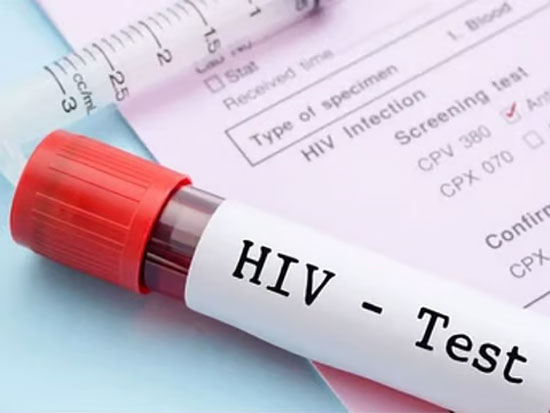
According to the World Health Organization, a majority of people living with HIV in Pakistan remain unaware of their condition, significantly increasing the risk of further spread. Estimates suggest around 350,000 people may be infected, with nearly 80 percent undiagnosed.
The situation has worsened over the years, with cases rising sharply—by nearly 200 percent over the past 15 years. Infections among children have also increased, with cases in the 0–14 age group rising from 530 in 2010 to around 1,800 in 2023.
Experts and editorials, including those from The News International, highlight that stigma and misinformation remain major barriers. Social taboos often discourage individuals from seeking testing or treatment, while lack of awareness continues to put communities at risk.
Concerns have also been raised about systemic failures in healthcare practices. Instances of reused syringes and contaminated medical equipment have contributed to outbreaks, including a widely reported case in rural Sindh where hundreds of children were infected.
Public health experts stress that addressing the crisis requires reducing stigma, expanding access to affordable testing, and launching widespread awareness campaigns. They also recommend integrating HIV education into school curricula and involving community and religious leaders to disseminate accurate information.
Improving healthcare safety standards, introducing rapid testing kits, and promoting routine screening in hospitals are seen as critical steps to contain the spread and ensure early diagnosis and treatment.