Daijiworld Media Network - Mumbai
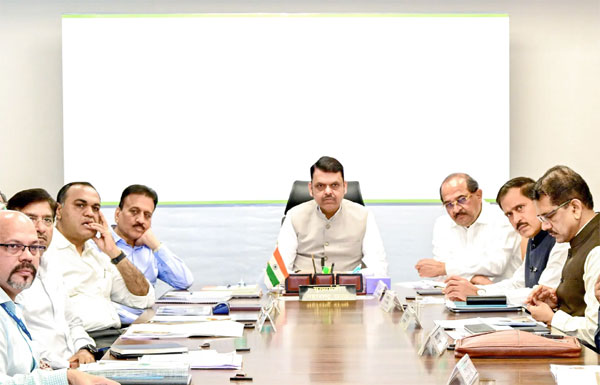
Mumbai, Apr 13: The Maharashtra Cabinet, led by chief minister Devendra Fadnavis, on Monday cleared a major Rs 3,708 crore project to strengthen healthcare infrastructure, medical education, and nursing systems across the state, with financial support from the Japan International Cooperation Agency.
The initiative, titled “Strengthening Tertiary Health Care Delivery, Medical Education System and Nursing System in Maharashtra,” aims to upgrade infrastructure and equip institutions with advanced medical technology. It will cover newly established government medical colleges in Wardha, Palghar, Ratnagiri, and Ahilyanagar, along with the modernisation of nursing colleges at facilities such as GT Hospital and St George’s in Mumbai, as well as institutions in Dhule, Solapur, Ambajogai, Akola, Nagpur, Ratnagiri, Palghar, and Dharashiv.
New nursing colleges are also planned in Baramati, Sangli (Miraj), and Kolhapur, while several government medical colleges—including those in Nashik, Parbhani, Satara, and Gadchiroli—will receive advanced medical equipment under the project.
The plan also includes capacity-building measures through the Indo-Japan Academic Exchange Programme, focusing on training and strengthening hospital administration and management systems. Officials said the broader objective is to enhance access to affordable and quality healthcare across Maharashtra.
In addition to healthcare reforms, the cabinet approved sweeping changes to the state’s recruitment system under the “Viksit Maharashtra 2047” vision. The number of cadres under the Maharashtra Public Service Commission will expand to 102, with the combined examination framework incorporating 18 new services and 93 additional cadres.
In a significant move for job seekers, the government has decided to largely eliminate the mandatory experience requirement for direct recruitment, making it easier for fresh graduates to apply. A “No Interview Policy” will be implemented for non-gazetted Group B and Group C posts to streamline hiring and improve transparency.
The state will also introduce a system similar to the Union government’s “Pratibha Setu,” allowing data sharing of candidates who reach advanced selection stages but do not make the final list, thereby improving their employment opportunities in both public and private sectors.
Additionally, outdated roles have been identified as “dying cadres,” with a renewed focus on creating positions aligned with emerging technologies such as artificial intelligence. The recruitment process will also adopt digital verification through platforms like DigiLocker, enabling faster and paperless validation of documents.
The dual push for healthcare expansion and administrative reform signals the state’s effort to modernise public services while improving accessibility and efficiency.