Daijiworld Media Network – Kolkata
Kolkata, Jun 3: What initially appeared to be a routine stroke case in an 18-year-old boy turned into a rare medical discovery after doctors in Kolkata found a large tumour in his heart that had silently triggered the neurological emergency.
The teenager, identified as Rehan (name changed), was rushed to hospital after suddenly developing weakness on the right side of his body and difficulty speaking. Initial brain scans revealed a blockage in the left middle cerebral artery, indicating an acute stroke.
However, further investigations led doctors to an unexpected source of the problem — a nearly 6 cm tumour lodged in the left atrium of the heart near the mitral valve.
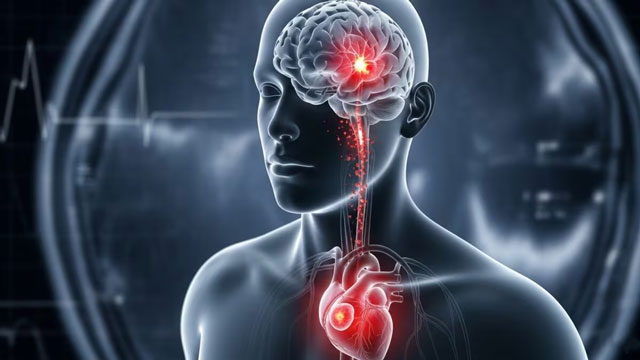
Doctors diagnosed the growth as a left atrial myxoma, a rare non-cancerous heart tumour. Medical experts said small fragments from the tumour had broken off and travelled through the bloodstream before blocking blood flow to the brain, causing the stroke.
A team led by Dr Atanu Saha, Senior Consultant in Cardiac Surgery at Narayana RN Tagore Hospital, Mukundapur, performed a complex five-hour surgery to remove the tumour.
According to Dr Saha, the tumour's location made the procedure particularly challenging, as any fragmentation during surgery could have caused additional blockages elsewhere in the body.
Following surgery, the teenager underwent neuro-rehabilitation and gradually regained his speech and movement before being discharged from hospital nearly two weeks later.
Doctors noted that cardiac myxomas account for nearly half of all primary benign heart tumours but remain extremely rare, with most cases occurring in people aged between 40 and 60 years. Cases involving adolescents are considered highly unusual.
Medical experts said the absence of warning signs made diagnosis especially difficult in this case. The teenager had no history of heart disease and displayed none of the typical symptoms associated with cardiac conditions before suffering the stroke.
Hospital officials highlighted the importance of advanced imaging and multidisciplinary care in identifying the hidden cause and ensuring timely treatment.
Doctors also said the case underlines the growing need to thoroughly investigate stroke symptoms in younger patients, as uncommon conditions such as heart tumours can sometimes be the underlying cause.
The teenager has since returned home and is continuing his recovery. According to his family, he is now preparing for his board examinations and hopes to pursue his dream of becoming a doctor.