Daijiworld Media Network – Washington
Washington, Jun 9: Iran and Israel on Monday said they had halted attacks against each other following an appeal by Donald Trump, easing fears of a wider regional conflict. However, Tehran warned that hostilities could resume if Israel continued military operations against Hezbollah in Lebanon.
The latest development came after the most direct confrontation between Iran and Israel since April, raising concerns that ongoing efforts by Washington to broker a peace agreement could be derailed.
Markets reacted sharply to the escalation, with oil prices briefly surging by as much as five per cent before retreating after Iran's military announced that its first wave of retaliatory strikes had concluded. The US dollar also eased from its highest level in nearly two months.
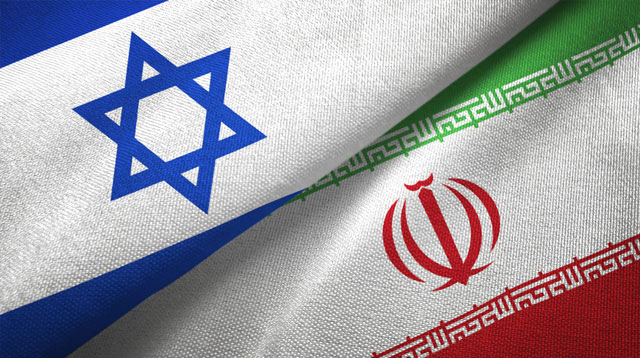
According to sources familiar with the matter, Israel decided to suspend its attacks following Iran's declaration that its military operation had ended.
The latest exchange began after Tehran launched missiles towards Israeli territory late Sunday, describing the strikes as retaliation for Israeli attacks on Hezbollah positions on the outskirts of Beirut. In response, Israel targeted Iranian air defence systems and a petrochemical facility it claimed was involved in ballistic missile production.
Iran's Islamic Revolutionary Guard Corps later said it retaliated by striking a similar facility in the Israeli city of Haifa. No fatalities were reported by authorities on either side.
The renewed tensions complicated efforts to end the conflict that began on February 28. Although a ceasefire announced on April 8 halted full-scale warfare, sporadic flare-ups have continued across the region.
Trump said both countries wanted an immediate ceasefire and expressed optimism about ongoing negotiations. He later confirmed that he had spoken with Israeli Prime Minister Benjamin Netanyahu regarding the situation.
In an interview, Trump said he had cautioned Netanyahu against reigniting the conflict, warning that Israel could find itself isolated if it resumed large-scale military action against Iran.
Israel's Ambassador to the United States, Yechiel Leiter, rejected suggestions of pressure from Washington, describing the relationship between Trump and Netanyahu as strong despite occasional disagreements.
Military officials on both sides maintained a firm stance. An Israeli military official said operations could continue for as long as necessary, while Iranian officials indicated they remained prepared for a prolonged conflict if required.
Meanwhile, Antonio Guterres urged all parties to exercise maximum restraint and avoid actions that could further inflame tensions in the region.
Iranian Foreign Ministry spokesperson Esmaeil Baghaei said exchanges with Washington were continuing in an atmosphere of "extreme suspicion".
Separately, Iranian lawmaker Ebrahim Azizi warned that any threat to Iran's security or its regional allies, including the Houthis in Yemen, would provoke a decisive response.
The Iran-backed Houthis claimed responsibility for missile launches targeting Israel and vowed to continue disrupting Israeli-linked navigation in the Red Sea. The Israeli military later said it intercepted a suspicious aerial target near the city of Eilat.
In Tehran, reports emerged of explosions and air defence activity after a drone was reportedly shot down over the capital. No major casualties or damage were reported.
Signs of normalcy also began to emerge as flights resumed at Imam Khomeini International Airport on Tuesday, nearly 24 hours after operations were suspended following Iran's missile attack.
Attention is now turning to Lebanon, where Israeli operations against Hezbollah continue despite the pause in direct Iran-Israel hostilities. The United States has announced that Lebanese-Israeli negotiations are scheduled to resume in Washington.
Trump has repeatedly stated that any final peace agreement must ensure Iran cannot develop nuclear weapons. Tehran, meanwhile, continues to seek the lifting of international sanctions, access to frozen assets and recognition of its strategic interests, including control over the Strait of Hormuz.