Daijiworld Media Network – New York
New York, Jun 17: A new study published in the journal Nature Medicine suggests that analysing proteins in blood plasma could help scientists identify cell-specific aging patterns and predict an individual's risk of developing age-related diseases.
Researchers examined more than 7,000 plasma proteins from over 60,000 individuals and found that accelerated aging in specific cell types was linked to a higher likelihood of developing certain diseases. The findings raise the possibility of using blood-based protein profiling as a tool for early disease detection and personalised healthcare strategies.
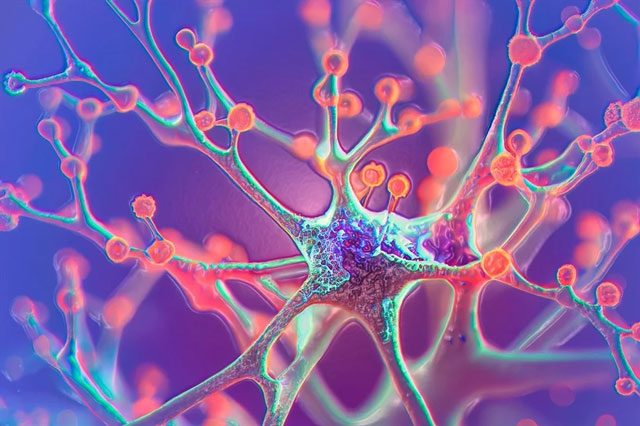
The study revealed that extreme aging of astrocytes — support cells in the brain — significantly increased the risk of Alzheimer's disease among people carrying two copies of the APOE4 gene, a known genetic risk factor for the condition. In contrast, younger nerve and immune cells were associated with improved survival outcomes and lower disease risk.
Scientists noted that as people age, cellular changes can affect the structure and function of tissues, potentially increasing vulnerability to chronic illnesses. Identifying such changes at an early stage could allow healthcare providers to intervene before diseases progress.
To conduct the study, researchers analysed plasma samples from 60,542 participants using advanced machine-learning models. The team linked thousands of plasma proteins to specific cell types using data from the Human Protein Atlas and estimated the biological age of more than 40 cell types across the nervous, immune, endocrine and musculoskeletal systems.
The findings were validated using data from three major population cohorts, including the Global Neurodegeneration Proteomics Consortium, the National Survey of Health and Development, and the UK Biobank.
Researchers developed a "Polycellular Aging Risk Score" (PARS) to assess mortality risk based on cellular aging patterns. They found that individuals with normal cellular aging had a survival rate of about 90 per cent over a 15-year period, while those with more than 20 extremely aged cell types had survival rates of only around 34 per cent.
The study also identified links between cellular aging and several neurological disorders. Accelerated aging of brain cells known as oligodendrocyte precursor cells and inhibitory neurons showed strong associations with dementia severity and cognitive decline.
Beyond Alzheimer's disease, the research highlighted connections between cellular aging and other conditions. Individuals with aged skeletal muscle cells were found to be more than 12 times more likely to develop amyotrophic lateral sclerosis (ALS) compared to those with younger muscle cells.
Similarly, among smokers, accelerated aging of respiratory cells significantly increased the risk of lung cancer.
The researchers said the findings demonstrate the potential of blood-based protein analysis to provide insights into biological aging and disease susceptibility without the need for invasive tissue sampling.
However, they cautioned that further studies are needed to validate the results across more diverse populations, as the current analysis was conducted largely among older individuals of European ancestry.
The team believes that future advances in protein-based aging assessments could help identify high-risk individuals earlier and pave the way for more targeted approaches to disease prevention and treatment.