Daijiworld Media Network - Jaipur
Jaipur, Jun 25: Rajasthan agriculture department has set its focus on improving the yield of major millets during the 2026 kharif season while encouraging farmers to increase cultivation of guar and soybean, a senior agriculture department official said.
The department has released kharif sowing targets with marginal changes compared to last year. However, actual sowing levels are expected to depend largely on rainfall patterns, as most major kharif crops in Rajasthan are dependent on rain.
Among major millets, the target area for pearl millet (bajra) has been increased to 40.5 lakh hectares from last year’s target of 39.09 lakh hectares. The target for sorghum (jowar) has also been raised from 4.98 lakh hectares to 6 lakh hectares.
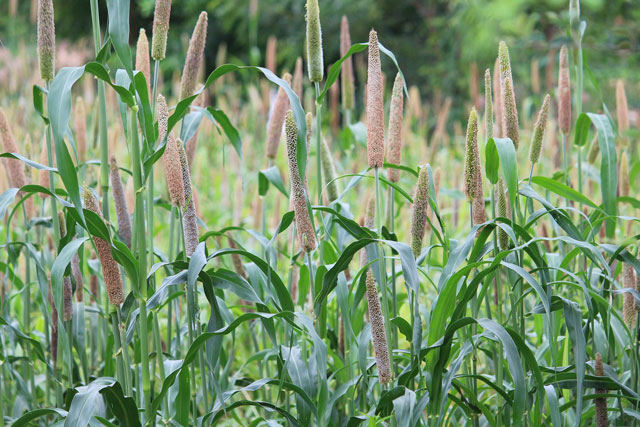
Till the first week of June, only around 9 per cent of the targeted bajra sowing had been completed.
Officials said rainfall remains a key factor in determining sowing trends this year, with concerns over possible reduced rainfall due to El Niño conditions.
“Timely and adequate rainfall would encourage farmers to sow enthusiastically, whereas scanty rainfall would reduce sowing, as most major kharif crops in Rajasthan are rain-fed,” the official said.
The target for guar cultivation has been increased from 24.82 lakh hectares in 2025 to 25.50 lakh hectares this year. However, only 3 per cent of the targeted area had been sown by the first week of June.
Jaipur-based guar trader Ramotar Khandelwal said delayed rainfall could influence farmers’ choices. If rains are delayed or inadequate, farmers may prefer cluster bean cultivation as it can be sown later and requires less water. Rajasthan remains the largest producer of guar in India.
For pulses, the target area for moong has been slightly reduced from 26.57 lakh hectares last year to 26.50 lakh hectares this season.
Moong trader Shyam Natani said El Niño could impact kharif sowing decisions, adding that it was difficult to predict whether final moong acreage would be higher or lower than last year due to uncertainty over rainfall.
Farmers with irrigation facilities, however, have already started sowing moong despite the absence of widespread rains.
The target area for groundnut has been reduced from 12.86 lakh hectares to 11.50 lakh hectares, while soybean cultivation has been expanded from 9.89 lakh hectares to 11 lakh hectares. Cotton acreage has also been increased from 6.44 lakh hectares to 7.20 lakh hectares.
The state has increased the target for moth bean cultivation from 8.59 lakh hectares to 10 lakh hectares, while maize acreage has been raised from 8.88 lakh hectares to 9.70 lakh hectares.