Daijiworld Media Network – New Delhi
New Delhi, Jul 4: Doctors are increasingly seeing people in their 20s and 30s with premature greying of hair, with growing scientific evidence suggesting that nutritional deficiencies, particularly vitamin B12 deficiency, may play a significant role alongside genetic factors.
While genetics remains one of the primary causes of premature greying, dermatologists say diet and nutritional status are emerging as important contributors.
Several studies have found that people with premature grey hair tend to have significantly lower levels of vitamin B12 compared to those whose hair retains its natural colour. Research has also shown that individuals with pernicious anaemia, a condition that prevents proper absorption of vitamin B12, are more likely to develop grey hair before the age of 50.
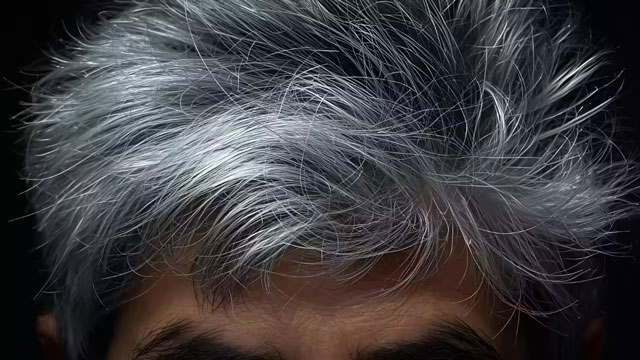
Apart from vitamin B12, researchers have identified deficiencies in vitamin D and calcium as common among people experiencing early greying.
A 2013 case-control study conducted in a semi-urban Indian population found that participants with premature greying had lower serum levels of calcium and vitamin D3. The study also highlighted a genetic predisposition, suggesting that both heredity and nutrition influence the condition.
Copper has also been identified as an important nutrient because it is required for the production of tyrosinase, an enzyme essential for melanin synthesis, which gives hair its natural colour.
Scientific reviews have reported lower levels of vitamin B12 and folic acid in individuals with premature greying, although evidence linking copper deficiency to the condition has been less consistent.
Iron has likewise been associated with melanin production, but researchers say existing evidence on iron deficiency and premature greying remains inconclusive, with studies producing mixed findings.
Experts emphasise that premature greying is a complex condition influenced by multiple factors, including oxidative stress, autoimmune disorders, thyroid diseases, smoking and genetics, in addition to nutritional deficiencies.
As more young adults seek medical advice for early greying, dermatologists are increasingly recommending nutritional assessments where deficiencies are suspected.
However, experts caution that while correcting vitamin and mineral deficiencies may benefit some individuals, it may not reverse premature greying in cases where genetic or other underlying factors are responsible.