Daijiworld Media Network – New Delhi
New Delhi, July 26: Prime Minister Narendra Modi on Sunday announced the constitution of a high-powered task force on examination reforms, to be headed by technology expert and Infosys co-founder and chairman Nandan Nilekani, in a major move aimed at making India's examination system more transparent, reliable and technology-driven.
The announcement comes a day after the Centre accepted all the demands put forward by the youth-led Cockroach Janata Party (CJP), which had spearheaded protests over the alleged NEET paper leak, including the resignation of former union education minister Dharmendra Pradhan and the withdrawal of FIRs registered against protesters.
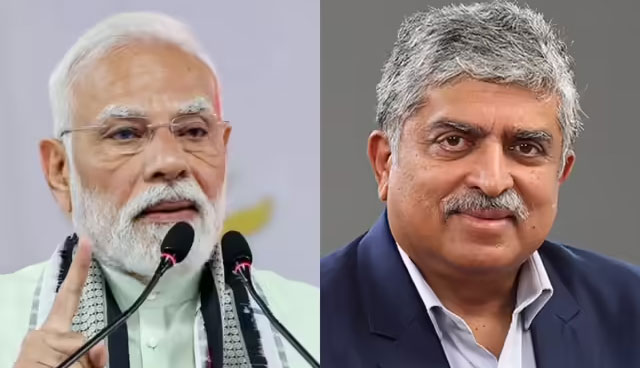
In a video message shared on his social media platforms, Modi said the government had already initiated stringent action against those responsible for compromising the future of students and was committed to strengthening the country's examination system.
"The Government of India is continuously taking various measures for the future of students. Those who tampered with the students' future are languishing in jail. We have already established fast-track courts. We are also moving towards enacting new legislation in Parliament that incorporates stringent legal provisions. However, we must look to the future. Our examination system needs to be reliable and transparent, and it must make maximum use of technology," the Prime Minister said.
Announcing the reform panel, Modi said its recommendations would play a key role in safeguarding the integrity of future examinations.
"To address these concerns, a high-powered task force, comprising world-renowned technology expert Nandan Nilekani, is being constituted to focus on examination reforms and ensure the integrity of upcoming examinations based on its recommendations," he added.
Nilekani to head multi-disciplinary panel
The newly constituted task force has been entrusted with recommending comprehensive technological and structural reforms for examinations conducted by the National Testing Agency (NTA).
Nilekani, widely credited with spearheading India's Aadhaar digital identity project through the Unique Identification Authority of India (UIDAI), will chair the multi-disciplinary panel comprising experts from technology, education, security and logistics.
The members of the task force include:
- Nandan Nilekani – Technology expert and Chairperson
- S. Somanath – Former chairman, ISRO
- Tapan Deka – Former director, Intelligence Bureau
- V Kamakoti – Director, IIT Madras
- Anita Karwal – Former education secretary
The panel is expected to recommend measures to modernise the examination ecosystem, strengthen technological safeguards and enhance the credibility and integrity of competitive examinations across the country.
CJP calls off 37-day agitation
Meanwhile, the Cockroach Janata Party (CJP) announced that it had withdrawn its 37-day-long protest at Jantar Mantar "in good faith" after the resignation of former Union Education Minister Dharmendra Pradhan from the Council of Ministers and the Centre's assurance that its remaining demands would also be addressed.
Addressing a press conference at the Constitution Club in New Delhi, CJP Chief Spokesperson Saurav Das said the agitation was being called off with the understanding that the commitments made by the government would be implemented within the agreed timelines.
The announcement followed the third round of discussions between CJP representatives and union ministers J P Nadda and Jitendra Singh.
According to the CJP, the Centre has agreed to provide suitable compensation to the families of NEET aspirants who died by suicide and has also assured the withdrawal of FIRs lodged against protesters across the country.
Das said the government had accepted the demand to withdraw the cases and had promised to provide copies of the FIRs registered in Delhi within three to four days.
The announcement of the Nilekani-led task force is being seen as the Centre's most significant institutional response yet to the examination controversies that have triggered nationwide protests, with the panel expected to lay the groundwork for far-reaching reforms in the country's competitive examination system.