Daijiworld Media Network - New Delhi
New Delhi, Jul 27: India is intensifying its efforts to eliminate viral hepatitis by 2030 through expanded screening, free diagnostic services and treatment under the National Viral Hepatitis Control Programme (NVHCP), the Centre said on Monday.
According to an official statement, the programme has been integrated with several national health initiatives to strengthen prevention, improve early detection and ensure that patients receive free medicines and diagnostic services across the country.
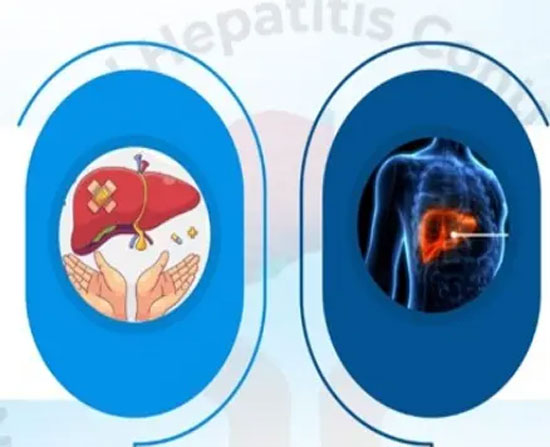
Launched in 2018, the NVHCP aligns with the United Nations Sustainable Development Goals and aims to reduce the burden of viral hepatitis through a combination of awareness campaigns, preventive measures, timely diagnosis and accessible treatment.
The government said the programme focuses on preventive, promotive and curative healthcare interventions while improving public awareness and expanding access to quality healthcare services for those affected by viral hepatitis.
The initiative covers all major forms of viral hepatitis — A, B, C, D and E — and is supported by a paperless Management Information System (NVHCP-MIS) that enables digital patient registration, monitoring and treatment tracking.
While Hepatitis A and Hepatitis E, which are generally acute and prone to outbreaks, are monitored under the Integrated Disease Surveillance Programme (IDSP), the government is providing free testing and medicines for patients diagnosed with Hepatitis B and Hepatitis C.
Quoting data from the 2021 HIV Sentinel Surveillance, the government said around 0.85 per cent of those tested were positive for Hepatitis B, while 0.29 per cent tested positive for Hepatitis C. This translates to approximately one in every 118 people carrying Hepatitis B infection and one in every 345 people testing positive for Hepatitis C.
As part of maternal and child healthcare initiatives, the government is also promoting universal screening of pregnant women for Hepatitis B to reduce the risk of mother-to-child transmission.
To protect newborns, the Universal Immunisation Programme (UIP) supports the administration of the Hepatitis B birth-dose vaccine within 24 hours of birth. Infants born to Hepatitis B-positive mothers are also provided Hepatitis B Immunoglobulin (HBIG) to reduce the likelihood of infection.
The government has also strengthened public outreach through a toll-free helpline (1800-11-6666), shared with the National Tuberculosis Elimination Programme (NTEP). The helpline offers information on hepatitis, including its symptoms, methods of transmission, preventive measures, treatment options and the locations of healthcare facilities providing services under the NVHCP.
With expanded screening, free treatment and greater integration with existing healthcare programmes, the government aims to accelerate progress towards eliminating viral hepatitis as a major public health challenge by 2030.