Daijiworld Media Network - New Delhi
New Delhi, Nov 4: A sudden change in weather, accompanied by rain and cold winds, has raised concerns over seasonal illnesses across Delhi-NCR, with hospitals in East Delhi reporting an increase in patients suffering from coughs, colds, viral fever and respiratory complaints. Doctors have also warned residents to remain cautious about dengue following rainfall and the possibility of stagnant water.
Hospitals, including Guru Teg Bahadur (GTB) Hospital, Swami Dayanand Hospital, Rajiv Gandhi Super Speciality Hospital and Jag Pravesh Chandra Hospital, are seeing more patients with seasonal health problems, according to a report in Amar Ujala.
Dr Praveen Kumar, Additional Medical Superintendent at GTB Hospital, said a sudden drop in temperature could make it difficult for the body to adjust to changing weather conditions. Children, older people and those with pre-existing health conditions are particularly vulnerable.
People with diabetes, high blood pressure and respiratory illnesses have been advised to take extra care. Cold and humid conditions can aggravate allergies, asthma and bronchitis. Patients have been advised to continue their prescribed medication and consult doctors if their symptoms worsen.
Doctors have also stressed the importance of dengue prevention. Rainwater collected in containers and other places around homes can become breeding grounds for mosquitoes. Coolers, flower pots, water tanks and other areas where water accumulates should be checked and cleaned regularly. Wearing full-sleeved clothing and using mosquito nets can also help prevent mosquito bites.
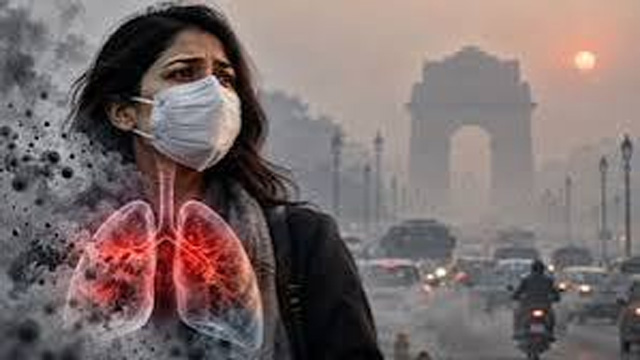
The seasonal health concerns have been compounded by severe air pollution across the region. Dr Randeep Guleria, Chairman of the Institute of Internal Medicine, Respiratory and Sleep Medicine at Medanta, Gurugram, has warned that air quality in the severe and very severe categories poses a significant health risk.
He said hospitals generally witness an increase in emergency visits during periods of severe pollution, particularly among people experiencing breathing difficulties and persistent coughs. Some patients require hospital admission or intensive care.
The effects of pollution are not limited to people with existing illnesses. Even otherwise healthy individuals may experience chest tightness, breathlessness, watery eyes and coughing when pollution levels are high.
People suffering from chronic obstructive pulmonary disease (COPD), asthma and heart conditions face additional risks, as polluted air can increase inflammation in the lungs and blood vessels, aggravating existing health problems. It can also contribute to reduced oxygen saturation and increased breathlessness.
Young children and older people are among those particularly vulnerable to pollution-related complications.
Explaining why air pollution worsens during winter, Dr Guleria said weather conditions across the Indo-Gangetic Plain contribute to the accumulation of pollutants. The region's landlocked geography, colder air and low wind speeds prevent pollutants from dispersing, leaving them concentrated closer to the ground. Coastal areas may experience better dispersion under different weather conditions.
Apart from weather, emissions from stubble burning, vehicle exhaust, diesel-powered generators and equipment, construction activities and firecrackers also contribute to deteriorating air quality.
Dr Guleria called for a multi-pronged approach to tackle pollution, stressing the need to address emissions from vehicles, diesel use and construction activities, besides reducing crop burning and the use of firecrackers.
Describing air pollution as a silent killer, he warned that prolonged exposure could aggravate existing diseases and contribute to other health problems. He also highlighted concerns about children's lung development, referring to studies indicating that exposure to high pollution levels can impair lung function.
Doctors have advised residents to continue prescribed medication, particularly inhalers, and seek medical advice if they experience worsening breathlessness. People have been urged to limit outdoor exposure when air quality is poor and wear well-fitted N95 masks if stepping outside is unavoidable.
Keeping windows and doors closed during periods of severe pollution, using air purifiers where available and avoiding outdoor exercise have also been recommended. Residents should take extra care of children and older family members, stay hydrated and maintain a balanced diet.
Medical attention should be sought for persistent coughs, high fever, worsening asthma symptoms or difficulty breathing. Doctors have also cautioned against self-medication.
With changing weather, seasonal infections and severe air pollution posing overlapping health risks, doctors are urging residents across Delhi-NCR to remain alert, follow preventive measures and avoid delaying treatment when symptoms worsen.