Daijiworld Media Network - New Delhi
New Delhi, Aug 30: Menstrual changes are often dismissed as a normal part of a woman’s life, but severe period pain, unexpected changes during the late 30s and 40s, and bleeding after menopause can sometimes point to underlying health conditions and warrant medical attention.
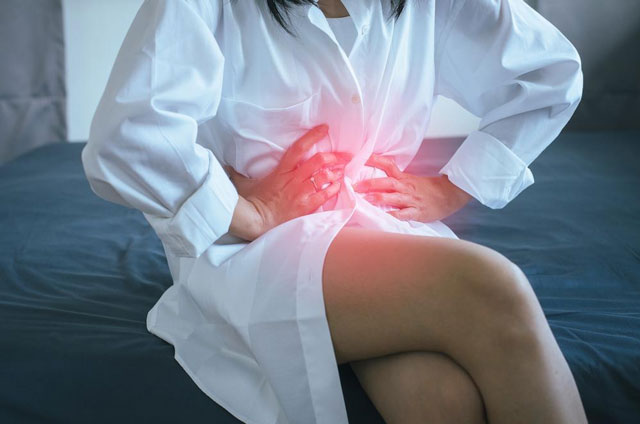
While some menstrual discomfort is common, pain that repeatedly interferes with sleep, education, work or daily activities should not simply be endured. One possible cause is endometriosis, a condition in which tissue similar to the lining of the uterus grows outside the uterus.
The World Health Organization estimates that endometriosis affects around 10 per cent of women of reproductive age worldwide. Diagnosis can also take several years, with the WHO noting that delays can range from four to 12 years.
“Women should not feel compelled to prove that their pain is ‘bad enough’ to warrant help,” said Dr Aruna Kalra, Director OBGYN and Robotic Surgeon at CK Birla Hospital, Gurugram.
Endometriosis may also be associated with pain during sexual intercourse, painful bowel movements or urination around menstruation, heavy bleeding, pelvic pain and fertility problems.
Perimenopause does not occur suddenly. Hormonal fluctuations can gradually affect menstrual cycles, sleep, mood and body temperature.
For some women, symptoms may begin during their late 30s. Irregular periods, night sweats, sudden waves of heat, disturbed sleep and vaginal dryness can occur during the transition.
However, such symptoms should not automatically be attributed to perimenopause.
Thyroid disorders, anaemia, polycystic ovary syndrome (PCOS), nutritional deficiencies and other hormonal conditions can produce similar symptoms. There is also no single hormone test that can confirm perimenopause in every woman.
Doctors therefore consider a woman’s menstrual history together with the overall pattern of symptoms.
Dr Manjula Anagani, Clinical Director and HOD - Obstetrics, Gynaecology, Laparoscopic & Robotic Surgery, Centre for Women & Child Health, Arete Hospitals, said perimenopause can be “subtle, inconsistent and easy to explain away”.
Keeping track of periods, sleep patterns and symptoms can therefore provide useful information for both women and doctors.
Menopause is considered to have been reached after 12 consecutive months without a menstrual period. The period following menopause is known as postmenopause.
One symptom, however, should never be casually dismissed as part of menopause — vaginal bleeding after the 12-month mark.
Postmenopausal bleeding can have several causes. Some are non-cancerous, including thinning of vaginal or uterine tissues and polyps. However, such bleeding can also be a warning sign of endometrial cancer.
“Neither outcome is well served by waiting. Investigating early is not an overreaction,” said Dr Himani Sharma, Senior Consultant, Obstetrics, Gynaecology & Robotic Surgery, Apollo Hospitals Navi Mumbai.
Doctors may recommend an ultrasound to investigate the cause. Depending on the findings, further tests such as a biopsy or hysteroscopy may also be required.
Although the reproductive years, perimenopause and postmenopause involve different changes, experts say they share an important lesson: a symptom does not become normal simply because many women experience it.
Severe period pain deserves assessment, particularly when it interferes with daily life. Persistent changes in menstrual cycles should be evaluated in the right context, while any bleeding after menopause should be medically investigated, even if it occurs only once.
Maintaining a simple period diary can also help women and doctors identify changes that may otherwise be difficult to recall. Recording when bleeding begins, its intensity, pain levels, sleep disturbances and differences from the previous cycle can provide useful medical information.
Such records can help turn a general feeling that “something is different” into specific information that can assist in diagnosis and treatment.
The report includes inputs from Dr Aruna Kalra, Director OBGYN and Robotic Surgeon, CK Birla Hospital, Gurugram; Dr Himani Sharma, Senior Consultant, Obstetrics, Gynaecology & Robotic Surgery, Apollo Hospitals Navi Mumbai; and Dr Manjula Anagani, Clinical Director and HOD - Obstetrics, Gynaecology, Laparoscopic & Robotic Surgery, Centre for Women & Child Health, Arete Hospitals.
The experts explained how severe period pain, perimenopausal changes and postmenopausal bleeding can sometimes indicate underlying health concerns and why unusual or persistent symptoms should not be ignored.