Daijiworld Media Network – Jerusalem
Jerusalem, Sep 4: Israel’s High Court of Justice on Thursday froze key provisions of a law aimed at restructuring the Police Investigation Department (PID), blocking the government from proceeding with appointments to its new leadership and preparations for a separate budget.
Court President Isaac Amit and Justice Dafna Barak-Erez issued the interim order in a 2-1 decision, with Deputy Supreme Court President Noam Sohlberg dissenting.
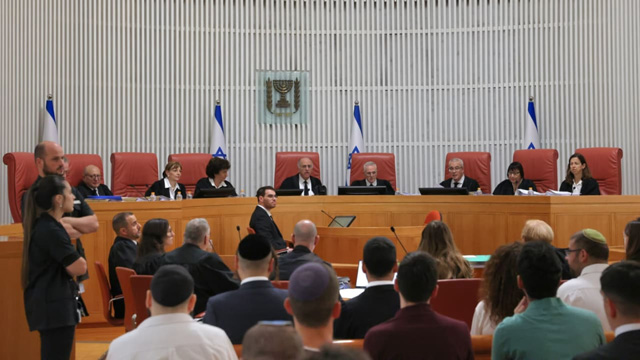
The court clarified that the order does not strike down the law or determine its validity. A hearing on three petitions challenging the legislation has been scheduled for December 28, two months after the October 27 election.
The interim order suspends four provisions concerning the appointment of the PID director, the five-member committee responsible for selecting the director, the appointment of an official to resolve disputes involving the department and the establishment of a separate budget.
These were the only provisions that came into effect immediately after the law was published on June 15. Most of the restructuring is scheduled to take effect in February 2027, eight months after publication, with a possible four-month extension.
The court's decision effectively prevents the Justice Ministry from taking steps to establish the new leadership and administrative framework of the department until the petitions are considered.
The Knesset approved the legislation on June 11 by 43 votes to 39. Proposed by Likud MK Moshe Saada and promoted by Justice Minister Yariv Levin, the law seeks to separate the PID, which investigates alleged misconduct by police officers, from the State Attorney’s Office and establish it as an independent unit within the Justice Ministry.
Under the proposed structure, the PID director would assume powers currently exercised by the attorney-general, state attorney and district prosecutors in cases handled by the department. The PID would continue investigating suspected criminal offences by police officers and prosecuting cases arising from those investigations.
The law would also establish a coordinator for police investigations, responsible for deciding appeals against certain case closures and resolving disputes between the PID and other investigative or prosecutorial bodies.
Supporters of the legislation argue that separating the PID from the prosecution would strengthen its independence and eliminate a potential conflict of interest arising from the close working relationship between police and prosecutors.
However, the petitioners and Attorney-General Gali Baharav-Miara have argued that the new appointment system could increase political influence over criminal law enforcement. Baharav-Miara also raised concerns about advancing long-term appointments during an election period.
Levin has opposed delaying the appointments, arguing that the law requires the selection committee to be formed within a month and the director and coordinator to be appointed as soon as possible.
The court had already halted further steps in the appointment process on August 23 while considering the broader interim order.
Levin criticised Thursday’s ruling, accusing the court of protecting what he described as a failed institution.
The existing PID structure will remain in place until the court hears the petitions in December, while the government will be unable to proceed with the appointments and budget arrangements covered by the interim order.