Daijiworld Media Network – Bengaluru
Bengaluru, Sep 5: Joint replacement surgery was once largely associated with older adults whose knees or hips had deteriorated after years of wear and tear. However, orthopaedic specialists are increasingly seeing younger patients with significant joint damage, prompting a closer look at why replacements are being considered earlier in life.
Age alone is no longer considered the deciding factor for joint replacement. Previous injuries, arthritis, inflammatory conditions, excess weight, lifestyle factors and the physical demands of modern life can all contribute to early joint deterioration.
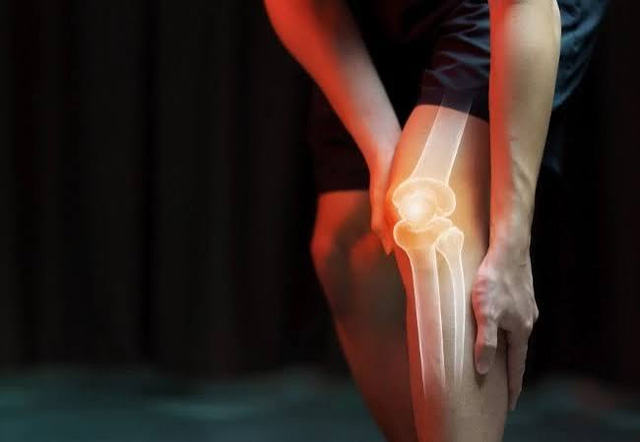
For some people in their 40s, persistent joint pain can interfere with everyday activities such as climbing stairs, working, travelling, exercising or spending time with their children. When pain and restricted movement begin to significantly affect quality of life, patients may consider surgical options after other treatments have failed.
Previous sports injuries, ligament or meniscus damage, fractures around a joint and repeated surgeries can accelerate the development of arthritis, particularly in the knees. In the hip, conditions such as avascular necrosis can cause considerable joint damage at a relatively young age. Rheumatoid arthritis and other inflammatory conditions can also result in early joint deterioration.
Excess body weight is another important factor. Additional load on weight-bearing joints such as the knees and hips can contribute to pain and accelerate wear. Metabolic health can also influence joint health, making weight management an important part of managing symptoms and potentially slowing disease progression.
However, joint pain in a younger person does not automatically mean replacement surgery is necessary. Depending on the cause and severity of the condition, physiotherapy, medication, injections, lifestyle changes, activity modification and weight management may provide relief and help delay surgery.
At the same time, expectations among younger patients are changing. Many people in their 40s remain professionally active and have family, travel and fitness commitments. Prolonged pain and restricted mobility can significantly affect their daily lives, making them more likely to seek definitive treatment when conservative measures no longer provide meaningful relief.
For younger patients considering joint replacement, preparation and rehabilitation are particularly important. Muscle strength, mobility, body weight and existing conditions such as diabetes can influence both surgical risks and recovery.
Pre-operative strengthening and rehabilitation, followed by appropriate physiotherapy after surgery, can help patients work towards better functional outcomes. Recovery is not limited to the surgical procedure and requires active participation from the patient.
There is also a longer-term consideration for people undergoing joint replacement at a younger age. Modern implants can provide long-lasting results, but a patient receiving a replacement in their 40s may potentially live with the implant for several decades. Implant selection, activity levels, regular follow-up and the possibility of revision surgery therefore need to be considered as part of the decision-making process.
Ultimately, the decision to undergo joint replacement should not be based simply on whether a patient is considered too young for the procedure. The extent of joint damage, the impact on quality of life, the response to non-surgical treatments and the potential benefits of surgery all need to be assessed.
For younger patients, the goal is not necessarily to undergo joint replacement earlier, but to undergo it at the appropriate time when it is most likely to restore mobility and improve quality of life.