Daijiworld Media Network – New Delhi
New Delhi, Sep 9: Taking diabetes medication regularly does not always guarantee stable blood sugar levels, as several lifestyle, dietary and health-related factors can cause glucose levels to rise unexpectedly.
Diabetes affects millions of people worldwide, and effective management usually involves more than medication alone. Diet, physical activity, sleep, stress levels and other medical conditions can all influence blood sugar control.
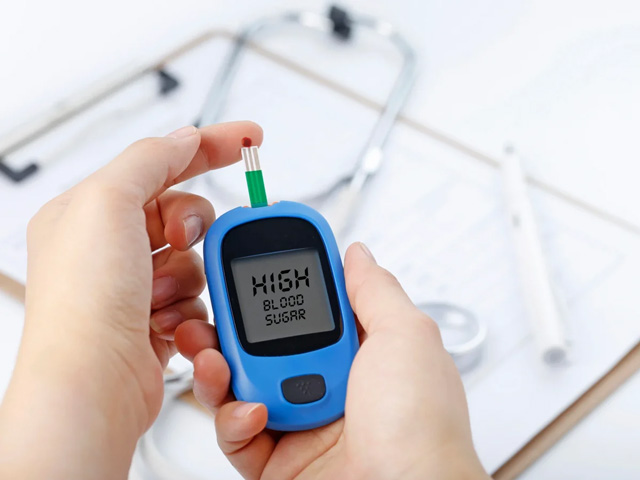
Doctors point out that people with diabetes may experience occasional spikes despite taking their medicines as prescribed. Dr Akshay Chugh, consultant in internal medicine, said blood sugar levels can be affected by what and when a person eats, portion sizes, physical activity, sleep, stress and even infections.
One of the most common causes of a sudden rise in blood sugar is the consumption of refined carbohydrates and foods high in sugar. White rice, sweets, sugary drinks and baked foods can cause glucose levels to increase rapidly, particularly when consumed in large quantities.
Medication timing can also play an important role. Missing doses or taking medicines at the wrong time may result in fluctuations in blood sugar levels. Patients are advised to take medicines strictly according to their doctor's prescription.
Increasing insulin resistance can also make diabetes more difficult to control. Weight gain and reduced physical activity may worsen insulin resistance over time, leading to higher glucose levels.
Stress and poor sleep can further affect blood sugar regulation. Stress hormones, including cortisol, may raise glucose levels, while inadequate or poor-quality sleep can reduce insulin sensitivity.
Illnesses and infections can also temporarily increase blood sugar levels, even among people who are following their medication and diet plans. During such periods, regular monitoring of glucose levels becomes particularly important.
Another common reason for higher morning blood sugar is the 'dawn phenomenon'. During the early morning hours, the body naturally releases hormones that can increase glucose levels and temporarily increase insulin resistance.
Doctors also stress the importance of regular physical activity. Muscles use glucose for energy, and a sedentary lifestyle can result in more glucose remaining in the bloodstream.
Irregular eating habits may also affect diabetes management. Skipping meals can lead to unhealthy fluctuations in blood sugar and may cause a person to overeat later, resulting in higher glucose levels.
Warning signs that diabetes may not be adequately controlled include frequent thirst, increased urination, fatigue, blurred vision, slow wound healing and unexplained changes in weight.
Medical experts advise patients not to change their medication dosage on their own if blood sugar readings remain high. Persistent elevations in glucose levels, rising HbA1c readings or repeated episodes of hyperglycaemia should be discussed with a doctor so that the treatment plan can be reviewed.
Maintaining a balanced diet by combining carbohydrates with protein and fibre, staying physically active, taking medicines as prescribed, getting adequate sleep and managing stress can help reduce sudden blood sugar spikes.
Experts emphasise that while medication remains an important part of diabetes treatment, long-term blood sugar control depends on a combination of proper medical care and healthy daily habits.