Daijiworld Media Network - London
London, Oct 13: Childhood cancer remains a significant cause of disease-related deaths among children in the United Kingdom, with experts urging parents to seek medical advice when symptoms such as persistent tiredness, breathlessness, unusual bruising or unexplained lumps do not improve.
According to Cancer Research UK, around 1,900 children aged between zero and 14 are diagnosed with cancer in the UK every year. Early symptoms can resemble common childhood illnesses, making them difficult to recognise and potentially delaying diagnosis.
The experience of 13-year-old Amelia Carroll highlights the importance of recognising warning signs. Amelia initially experienced fatigue and breathlessness during mild physical activity. Her mother, Gemma, first believed that her daughter was out of shape or tired from school.
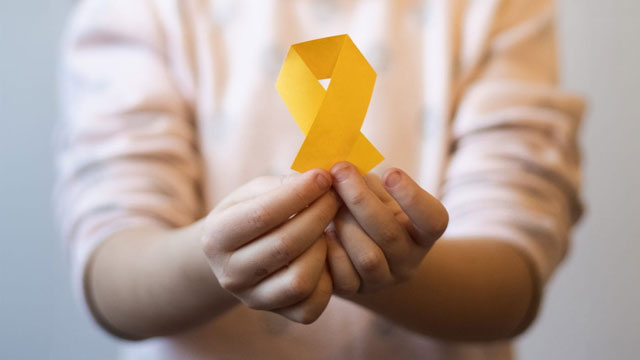
However, the family became increasingly concerned when Amelia began developing unexplained bruises. Within 10 days of noticing the first bruise, doctors diagnosed her with acute myeloid leukaemia (AML), a cancer that affects the blood and bone marrow.
Gemma recalled the difficult moment when Amelia directly asked whether she had cancer, forcing the family to confront the diagnosis.
Amelia is now in remission and has returned to school. She continues to undergo blood tests and bone marrow examinations every three months to monitor her condition.
Paediatric oncologist Professor Bob Phillips has urged parents to pay attention to combinations of symptoms rather than dismissing them individually. Persistent and severe tiredness, unusual paleness and lumps or swellings that do not disappear should be assessed by a medical professional, particularly when several symptoms occur together.
A national awareness campaign supported by the Children and Young People's Cancer Association (CCLG) promotes a “rule of three” to encourage earlier investigation of possible childhood cancer. The approach advises healthcare professionals to consider further assessment or referral when a child presents with three persistent symptoms, makes three visits to a doctor or experiences unexplained symptoms for three weeks.
Despite improvements in awareness and medical care, around half of children diagnosed with cancer in the UK reportedly receive their diagnosis within two weeks of first presenting with symptoms.
Phillips said survival rates for childhood cancer had improved substantially since the 1970s, with approximately 80 per cent of affected children surviving for at least five years after diagnosis. Recognising the disease earlier can also allow some children to receive less intensive treatment, potentially reducing the burden of therapy.
Another case highlighting the need for awareness is that of Jake, who died of a soft tissue sarcoma at the age of 13. His initial symptoms included a stuffy nose and tiredness, which were not initially recognised as potentially serious.
Concern increased when a swelling appeared at the bridge of his nose. A subsequent visit to a general practitioner led to the discovery of a mass in his nasal cavity. Jake underwent chemotherapy but eventually decided not to continue treatment.
His mother, Lynsey, has since campaigned to improve awareness of childhood cancer symptoms, hoping that sharing her son's experience will help other families recognise warning signs and seek medical attention promptly.
The experiences of Amelia and Jake underline the challenges of identifying childhood cancers, whose early symptoms can overlap with those of more common conditions. Health professionals stress that persistent, worsening or unusual symptoms warrant medical evaluation, although such symptoms do not necessarily indicate cancer.
Experts hope that greater public awareness, timely medical assessment and appropriate referrals will help reduce diagnostic delays and improve outcomes for children affected by the disease.