Daijiworld Media Network - New York
New York, Oct 17: Scientists may have identified a mechanism through which microplastics could damage the human body, with a new study finding that the tiny plastic particles can generate highly reactive molecules when exposed to water.
The study, published in the journal Nature on October 14, found that commonly used plastics can trigger the spontaneous generation of reactive oxygen species (ROS). These highly reactive molecules can damage cells and potentially contribute to inflammation and other health problems.
The findings offer new insights into how microplastics may affect human health, although further research is needed to establish the extent of their impact on people.
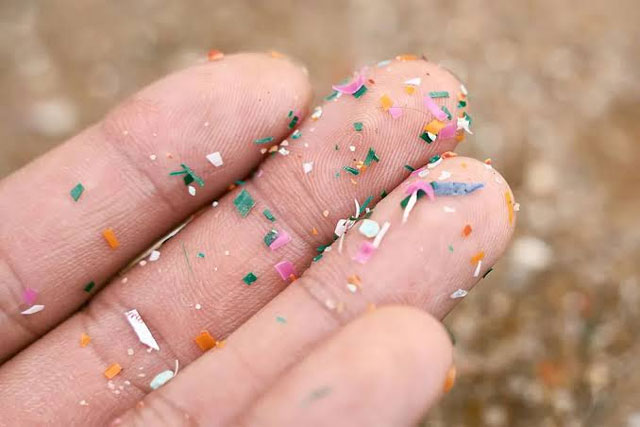
Researchers examined several widely used plastics, including polyethylene, polypropylene, polystyrene, polyvinyl chloride and polyethylene terephthalate. They found that exposure to water could cause these materials to generate reactive molecules.
The chemical activity becomes particularly significant when larger plastic objects break down into microscopic particles. This fragmentation dramatically increases their total surface area, creating more opportunities for chemical reactions with the surrounding environment.
Wei Min, a chemist at Columbia University and one of the study’s senior authors, told Scientific American that the toxicity of bulk plastic is often overstated compared with the potential effects of microplastics.
“For microplastics, this is especially important because fragmentation creates enormous amounts of new surface area,” Min said.
In a statement released by Columbia Climate School, Min explained that as plastic breaks into progressively smaller particles, its surface area increases substantially. The particles can then alter the chemistry of the surrounding water by generating highly reactive radicals, which may contribute to biological damage observed in animals and potentially in humans exposed to microplastics.
The findings could help explain how microplastic exposure contributes to chronic inflammation. However, the study does not establish that these chemical reactions directly cause specific human diseases.
Concerns about microplastics have grown following studies detecting the particles in various human tissues, including the brain.
A study published in Nature Medicine in 2025 examined human brain samples obtained during autopsies and reported increasing concentrations of microplastics compared with samples collected in 2016. Some samples contained amounts described by researchers as comparable to a spoonful of plastic, although concentrations varied between samples.
Matthew Campen, a co-lead author of that study and a professor of pharmaceutical sciences at the University of New Mexico, told CNN at the time that the amount of plastic detected in brain samples was approximately 50% higher than in samples from 2016.
Microplastics are tiny plastic particles that can enter the environment as larger plastic products degrade or through the release of particles from everyday materials. They have been detected in dust, fabrics, cosmetics, cleaning products, rainwater, seafood, fruits, vegetables and table salt, according to Harvard Medical School.
Scientists continue to investigate how people are exposed to microplastics, how the particles interact with biological systems and whether long-term exposure increases the risk of health conditions such as cardiovascular disease, neurological disorders and fertility problems.
The latest findings add to the growing body of research into the potential health effects of microplastics, highlighting the need for further studies to determine how these chemical processes translate into risks for human health.