Daijiworld Media Network - New Delhi
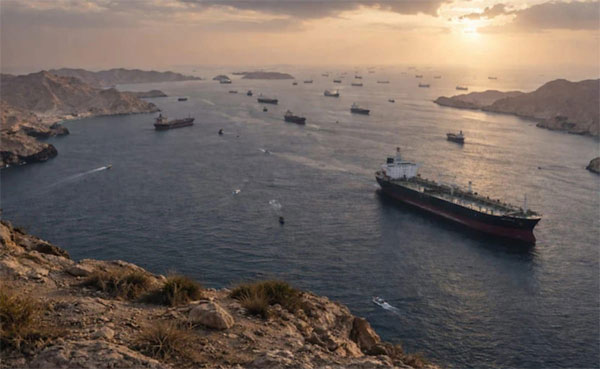
Tehran, Nov 1: Iran has linked the reopening of the strategically important Strait of Hormuz to a series of demands from the United States, proposing a two-day timeline for restoring access to the waterway amid diplomatic discussions involving Qatar, Al Jazeera reported.
Iranian Foreign Minister Abbas Araghchi said consultations with Qatari mediators had resulted in a reduction of the proposed implementation period from five days to two days. However, he made it clear that the plan was conditional on Washington agreeing to Tehran's demands.
"The Qatari side proposed shortening the implementation period of the Iranian proposal to five days. We have reached a proposal at this stage that reduces the implementation period to two days," Araghchi said, according to news agency ANI.
Iran's conditions include the lifting of US sanctions imposed after the Islamabad memorandum, a reduction in American military presence in the region, restoration of oil waivers and the release of frozen Iranian assets, including funds held in Qatar.
Tehran has also demanded recognition of a new shipping route through the Strait of Hormuz, established through discussions with Oman, and the closure of other routes.
Araghchi said reopening the waterway under Iran's proposed terms could create an opportunity for negotiations with Washington on outstanding issues.
Iran Insists on Seven Conditions for Talks
Earlier, Iran's top security official Mohsen Rezaei said negotiations with the United States would not take place and the Strait of Hormuz would remain closed until Tehran's seven conditions were fulfilled.
In a post on X, Rezaei said the path to diplomacy would remain open if Washington met Iran's demands, but warned of retaliation if the country came under another attack.
"We have repeatedly stated: the seven conditions announced by Iran must be fulfilled. If the conditions are met, the path of diplomacy will be open," he said.
Iran's demands also include an end to the war on all fronts, particularly Israeli attacks on Lebanon.
The latest developments follow the delivery of a letter from US Vice President JD Vance to Rezaei through Qatari mediators. Rezaei described the change in Washington's tone in the communication as a positive indication.
"Their tone has shifted completely, which is a good sign that shows that our people have secured their victory," he told Iranian state broadcaster IRIB, according to Al Jazeera.