Daijiworld Media Network - Mumbai
Mumbai, Nov 2: Maharashtra reported 13,955 dengue cases and 11 deaths between January 1 and October 21, 2026, with health officials attributing the rise partly to prolonged water storage amid drought-like conditions in several districts.
The state recorded 3,031 more cases than during the corresponding period last year, when 10,924 infections were reported. The death toll also increased from two to 11, marking a rise of nine deaths.
The Aedes aegypti mosquito, which spreads dengue, lays its eggs in clean, stagnant water. With several districts facing water shortages, households have been storing water for longer periods, creating additional mosquito-breeding sites in and around homes.
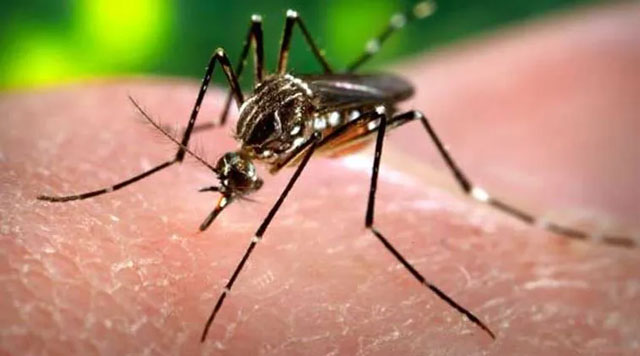
The increase has been reported in parts of Marathwada, including Latur, Chhatrapati Sambhajinagar, Jalna and Parbhani, as well as in Khandesh districts such as Jalgaon and Dhule. Pune has also recorded a rise in cases, with the death of a girl drawing criticism of the municipal health department.
State health department Joint Director Dr Sandeep Sangle said the mosquito can lay between 300 and 400 eggs in clean water. He said water-storage practices during shortages, along with prevailing conditions, were contributing to the rise in infections.
According to Sangle, the mosquito can bite 10 to 12 people in a day and generally flies within a range of 300 to 400 metres. This can lead to multiple infections within the same household or neighbourhood.
District-level figures cited in the report include 175 cases in Latur, 81 in Chhatrapati Sambhajinagar, 156 in Jalgaon, 275 in Nashik and 215 in Malegaon.
The health department has advised residents to keep all stored-water containers tightly covered to prevent mosquitoes from breeding. Officials have also recommended contacting health workers in areas with large water-storage facilities so that guppy fish can be introduced as a mosquito-control measure.
The situation has highlighted the challenge faced by local bodies and municipal health departments in balancing the need to store drinking water during shortages with the risk of creating mosquito-breeding sites. Authorities have urged residents to take preventive measures while ensuring that stored water remains protected.