Daijiworld Media Network - New Delhi
New Delhi, Nov 6: The Central government has relaxed passport and visa requirements for several categories of foreign nationals residing in India, including certain Pakistani nationals, minority refugees from neighbouring countries, Sri Lankan Tamils and Tibetans.
The changes have been introduced through the 'Immigration and Foreigners (Exemption) (Amendment) Order, 2026', issued on Thursday. The revised provisions also simplify travel and identification requirements for Indian, Nepalese and Bhutanese citizens travelling directly between the neighbouring countries.
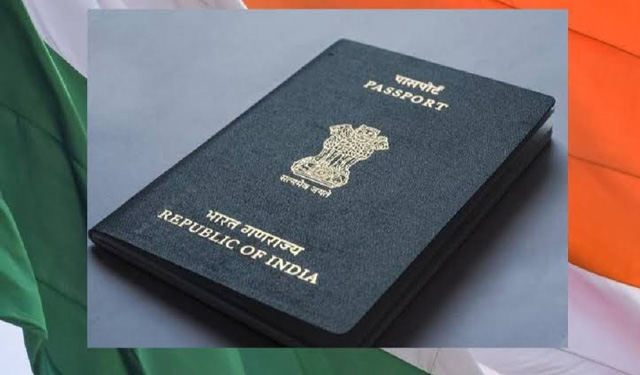
Under the amended rules, Pakistani nationals who arrived in India on or before December 31, 2009, intending to settle permanently, have been exempted from the usual passport renewal requirements if they are unable to renew their documents due to the absence of a Computerised National Identity Card (CNIC) issued by Pakistan.
To qualify for the exemption, applicants must not have married or purchased immovable property in Pakistan while residing there. Their family members who remained behind in Pakistan must be Indian citizens. Applicants must also provide an undertaking that they will not return to Pakistan. Additionally, they should not have any adverse police or security agency reports against them.
The order also extends relief to certain people of Indian origin who acquired citizenship in Malaysia or Singapore and returned to India on or before December 31, 2009, using passports issued by those countries. The provision covers individuals whose passports have expired and cannot be renewed because they do not fulfil the renewal requirements of the respective countries.
The notification defines a person of Indian origin as a foreign citizen, other than citizens of Pakistan, Bangladesh, Sri Lanka, Afghanistan, Bhutan, Nepal or China, who previously held an Indian passport. It also includes individuals whose parents, grandparents or great-grandparents were born in India and permanently resided in territories covered by the Government of India Act, 1935, or areas that subsequently became part of India.
Those covered under these provisions must obtain the appropriate visa category to continue their stay in India.
The amended order also permits Indian, Nepalese and Bhutanese citizens travelling directly between the three countries by road or air to use specified identity documents listed in the government's Visa Manual instead of regular passports.
However, the exemption does not apply to Indian citizens entering or leaving India through the Nepal or Bhutan borders when travelling to or from a third country. In such cases, a valid passport is mandatory, and travellers must use designated immigration posts.
Similarly, Nepalese and Bhutanese citizens travelling to or from India through China, Macau, Hong Kong or Pakistan will continue to be subject to the existing passport and visa requirements.
The amended provisions also provide exemptions to members of religious minority communities from Afghanistan, Bangladesh and Pakistan who entered India due to religious persecution or fear of persecution.
The exemption covers Hindus, Sikhs, Buddhists, Jains, Parsis and Christians who entered India on or before December 31, 2024. It applies to those who arrived without valid passports or other travel documents, as well as those whose documents have subsequently expired.
However, individuals covered under this provision must obtain the appropriate category of visa after entering India if they wish to continue residing in the country.