Daijiworld Media Network - London
London, Nov 9: A new COVID-19 variant, PJ.2.1, is spreading across several countries, according to reports citing the World Health Organization (WHO). The global health body has cautioned that symptoms associated with the variant may resemble those of common cold or seasonal influenza, making it difficult to identify the infection based on symptoms alone.
"Symptoms of COVID-19, influenza and other respiratory infections can coincide. Thus, based on symptoms alone, it is impossible to determine with certainty which respiratory virus caused the infection," the WHO was quoted as saying by Russian news agency RIA Novosti.
The WHO said diagnostic testing could be important in cases where identifying the virus may influence treatment decisions.
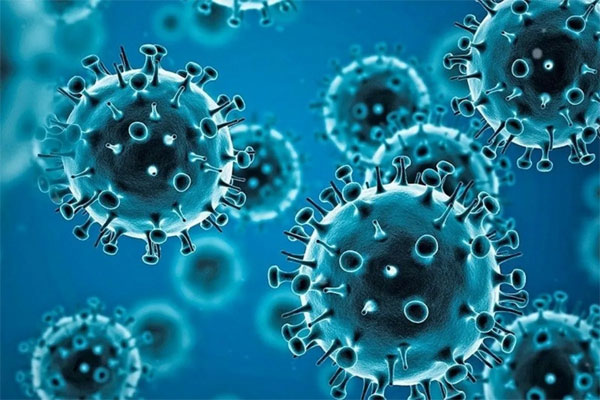
PJ.2.1 belongs to the SARS-CoV-2 evolutionary lineage, the virus responsible for COVID-19. It carries multiple mutations in its spike protein, the structure through which the virus attaches to human cells and enters them.
According to an October preprint study that has not yet undergone peer review, the first confirmed sample of PJ.2.1 was detected on May 2, 2026, in Ontario, Canada. The variant was subsequently identified in other parts of Canada and in New York on June 30. Cases were later reported in several US states.
Its spread has also been reported in Spain, France, Israel, Singapore, Australia and New Zealand.
Researchers found that PJ.2.1 was less susceptible to inhibition by an antibody targeting the ACE2 receptor than several other variants tested, indicating potentially increased ACE2 binding.
However, the variant did not demonstrate greater ability to evade antibodies from people who had received an LP.8.1-adapted COVID-19 vaccine compared with most of the other variants analysed.
The findings suggest that stronger ACE2 binding, rather than increased antibody evasion, could be contributing to the variant's spread.
Older adults, people with weakened immune systems and those suffering from underlying chronic conditions continue to face a higher risk of developing severe COVID-19.
What are the symptoms of PJ.2.1?
According to the WHO, possible COVID-19 symptoms include:
- High fever
- Cough
- Sore throat
- Blocked or runny nose
- Headache
- Muscle aches
- Severe fatigue
Some infected individuals may also experience digestive problems, shortness of breath or changes in their sense of smell and taste.
However, these symptoms are not exclusive to COVID-19, as seasonal influenza and other respiratory infections can cause similar health problems.
The WHO has stressed that symptoms alone cannot reliably establish which virus is responsible for an infection. Laboratory testing may be required when identifying the infection could influence medical treatment.
Meanwhile, Russian infectious disease specialist and virologist Elena Malinnikova said PJ.2.1 could cause severe sore throat and more prolonged fatigue during recovery compared with some other variants.
Is PJ.2.1 more dangerous than previous COVID-19 variants?
A study published in the Journal of Infection examined the virological characteristics of PJ.2.1, including its ability to bind to the ACE2 receptor and evade antibodies.
Laboratory findings indicate that the variant may bind more effectively to ACE2, the receptor through which SARS-CoV-2 enters human cells. This characteristic could potentially contribute to its increased spread.
However, researchers did not find evidence that PJ.2.1 was significantly more capable of evading antibodies from vaccinated individuals than most of the other variants examined.
Importantly, laboratory findings alone cannot establish whether a variant causes more severe illness in humans.
At present, there is insufficient evidence to conclude that PJ.2.1 infections are more likely to lead to hospitalisation, severe complications or death.
The WHO continues to monitor emerging SARS-CoV-2 variants. Although no vaccine has been specifically developed for PJ.2.1, COVID-19 vaccination remains an important measure to reduce the risk of severe illness, hospitalisation and death.
Older adults, people with weakened immune systems and individuals with chronic health conditions are advised to consult their healthcare providers regarding recommended COVID-19 vaccinations.