Daijiworld Media Network – New Delhi
New Delhi, Nov 14: Delhi continues to experience severe air pollution, with the overall Air Quality Index (AQI) crossing the 400 mark. The city's AQI stood at 403 on November 13, accompanied by thick smog and falling temperatures, according to official data.
Central Pollution Control Board (CPCB) data showed that 33 of the 58 monitoring stations recorded air quality in the 'Severe' category, with several locations reporting AQI levels above 450.
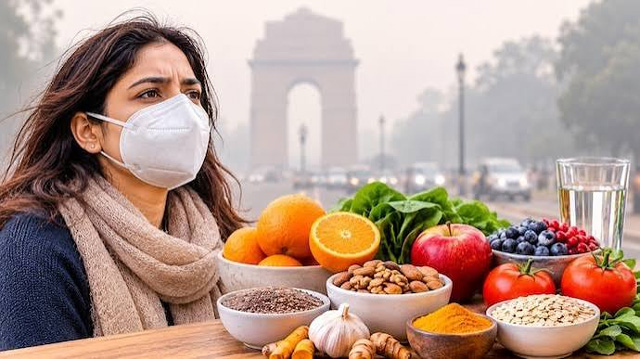
Exposure to air with an AQI above 400 can pose serious health risks. Fine particulate matter such as PM2.5 can penetrate deep into the lungs and enter the bloodstream, affecting even healthy individuals. Short-term exposure may cause coughing, wheezing, throat irritation, burning or watery eyes and breathlessness.
Air pollutants can also contribute to oxidative stress and inflammation in the body. Fine particles may affect vital organs, including the heart, brain, liver and kidneys. The body's immune response to these pollutants can trigger symptoms such as unusual tiredness, headaches and chest tightness.
A diet rich in antioxidants and omega-3 fatty acids may help support the body's defences against pollution-related oxidative damage and inflammation. However, food cannot prevent inhaled pollutants from entering the body or replace protective measures such as wearing N95 masks and using air purifiers.
Antioxidants help neutralise free radicals, unstable molecules that can damage cells and contribute to inflammation. Vitamin C helps protect lung tissues from oxidative damage. Amla, guava, oranges, lemons and bell peppers are good sources of this vitamin.
Vitamin E helps protect cell membranes from damage and is found in almonds, sunflower seeds, spinach and olive oil. Beta-carotene and other carotenoids support tissue health and are present in carrots, sweet potatoes, pumpkin, tomatoes and leafy vegetables.
Healthy fats, particularly omega-3 fatty acids, may also help regulate the body's inflammatory response. Fatty fish such as salmon and mackerel, along with walnuts, flaxseeds and chia seeds, are useful sources. Monounsaturated fats found in avocados, nuts and extra virgin olive oil can also support cardiovascular health.
It is equally important to limit foods that may contribute to inflammation and metabolic stress. Ultra-processed foods, fried items, refined sugars, trans fats and packaged snacks should be reduced as part of a balanced diet.
While dietary changes may support overall health during periods of high pollution, limiting outdoor exposure and following recommended air-pollution safety measures remain essential.